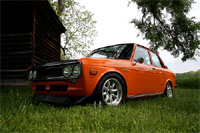
Over forty years later, neither the group nor the car fails to capture our imagination. How’s that for longevity?


Over forty years later, neither the group nor the car fails to capture our imagination. How’s that for longevity?
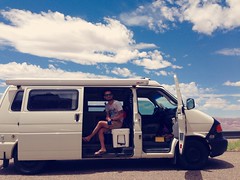
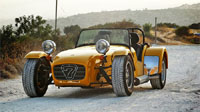
And working hard at what they do best— y’know, camping, biking, hauling stuff, things of that nature.
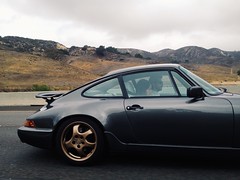
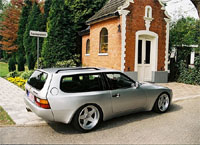
Nothing quite like seeing a P-car put to use beyond some of its traditional roles (sports car, yuppie transport) to warm the cockles.


Images: Pelican Parts, Ridelust, tcl, Axis, Volksworld, skorj
“It’s okay. But we’ve had better.”
— the National Gendarmerie, when asked about their new wheels
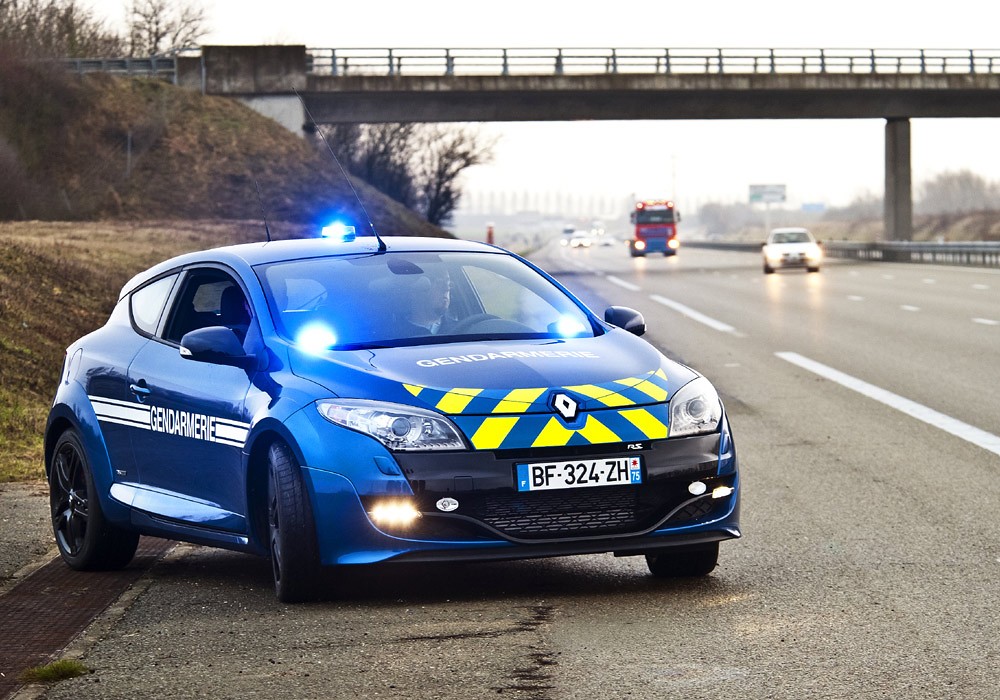
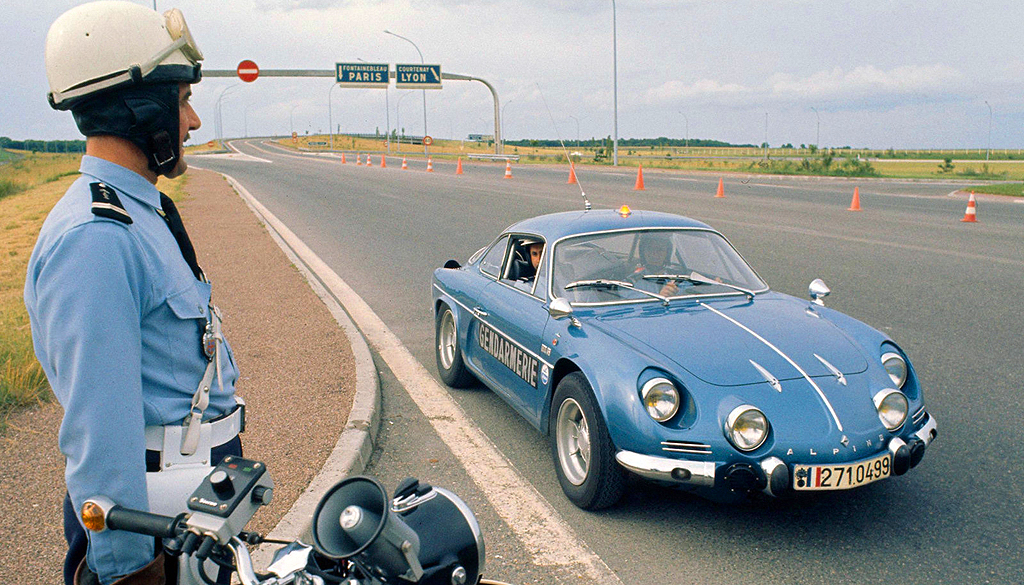
More Alpine and the like here; more Mégane here. Gendarmerie Mégane via Dutch Autoblog
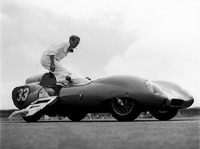
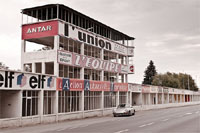
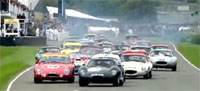
A feast for the eyes this image is. And had we been standing there in the infield, leaning on the Armco, we’re guessing it would have been a feast for the ears, too.

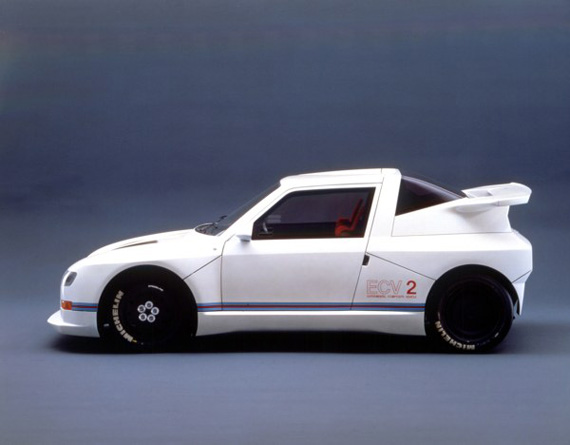
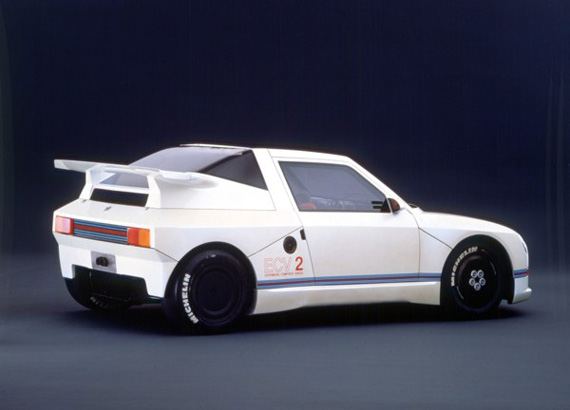
The 1986 Lancia Delta ECV 2. Almost has the proportions of a Honda CRX!

The Lancia ECV (stands for Experimental Composite Vehicle) was a prototype Group S rally car developed by the Italian manufacturer Lancia to replace the Lancia Delta S4 in World Rally Championship competition for the 1988 season. However, Group B as well as Group S cars were banned from competition by the FIA in late 1986 due to safety concerns and the ECV never raced. Lancia instead developed the Group A Lancia Delta…
Despite the cancellation of Group S, Lancia improved the ECV with the ECV II. The ECV II carbon-fibre chassis was that of the ECV I. The designer of the car is Carlo Gaino of Synthesis design. The ECV II concept car was more compact and featured improved aerodynamics. The ECV II had the same engine and chassis but a different paint scheme (source).
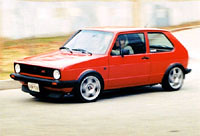
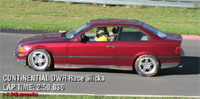
The car has been a joy to drive, and isn’t a bad looker if we don’t say so ourselves 🙂 We’re loving it since it’s pretty much everything the GTI is not, with the exception that in their own respective ways, each is fun to drive.

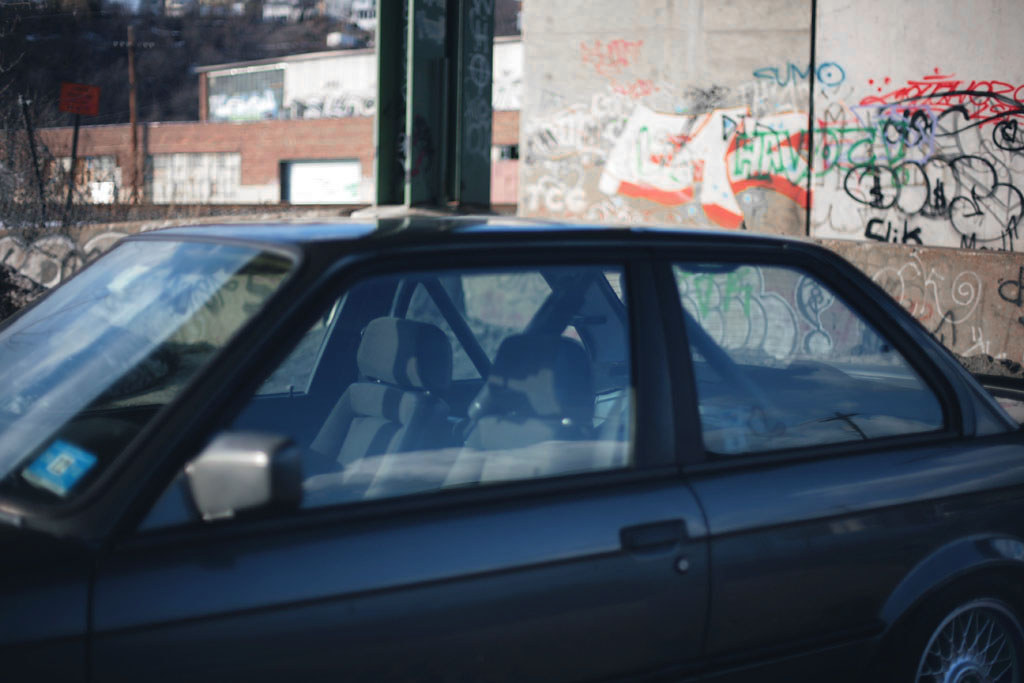
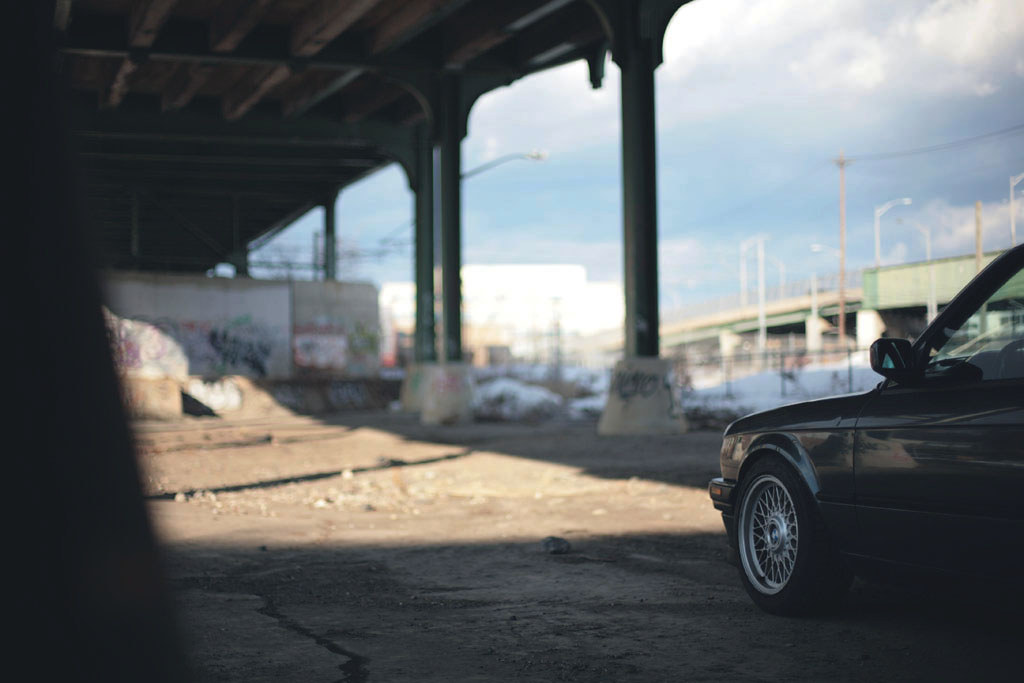
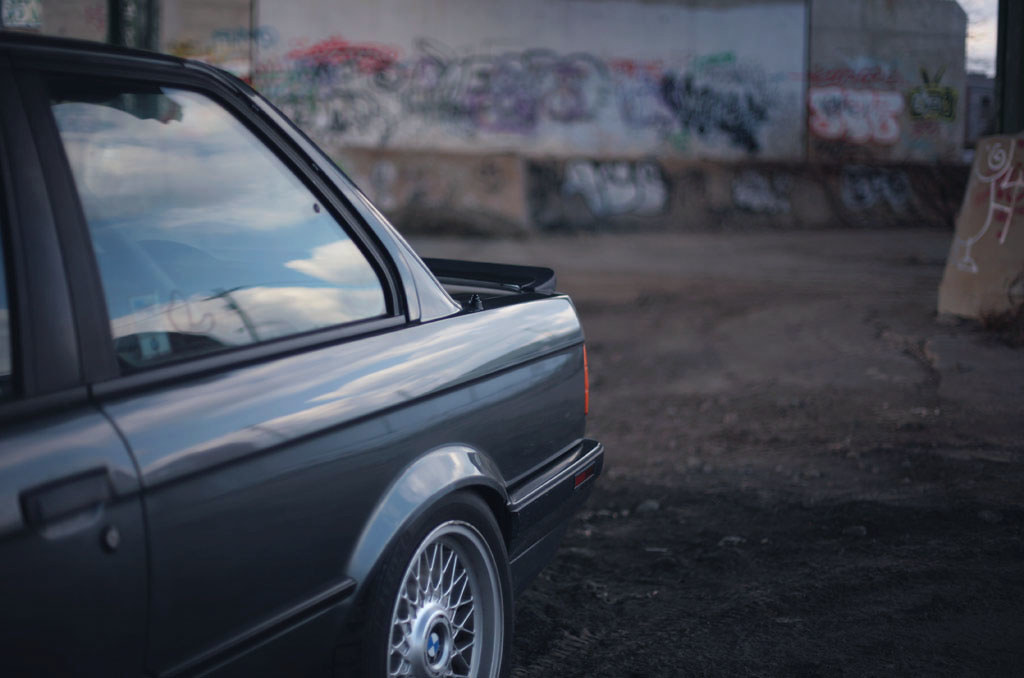
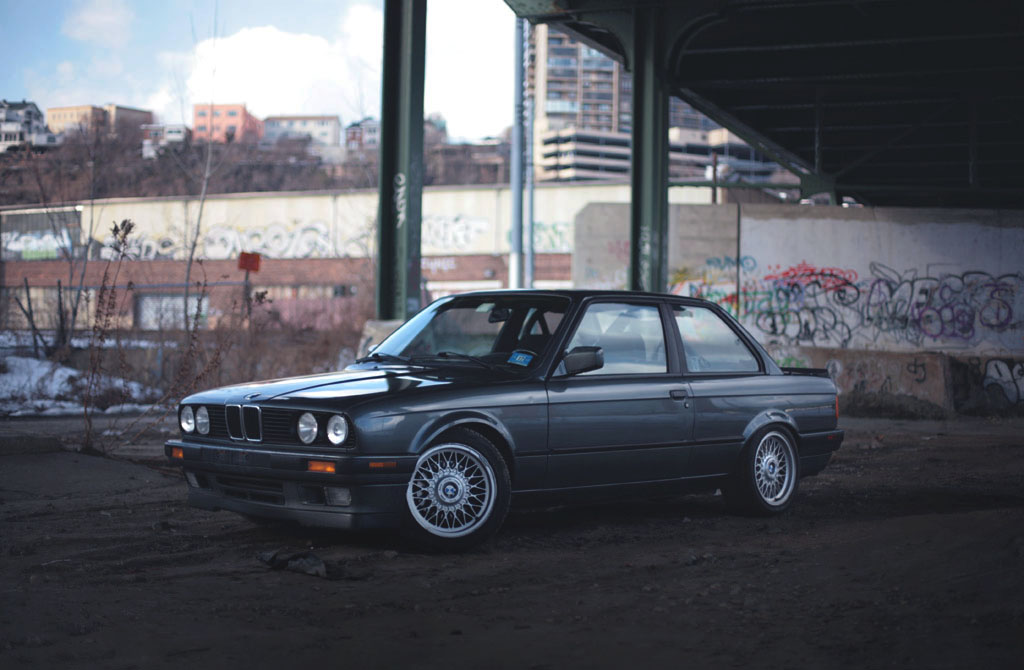
Video to come soon. Got some footage the other day but the sound decided to give up the ghost, rendering it useless. Taking the inline-six to redline produces a heady rush of noise that’s pretty intoxicating (not to mention addictive), at least when heard from behind the steering wheel (in a car that’s had its rear seat and sound deadening removed, no less). We don’t expect the camera to be able to replicate it (not the one we’re using, anyway), but we’re curious to see if it’ll capture even a fraction. Stay tuned.

If 1971’s “The Last Run” were in French, one might be forgiven for mistaking it for a Claude Lelouch film! Just as Lelouch’s love of cars and realistic automotive depictions in his films are well-documented, so, too, are cars used prominently and authentically in this film— one in particular, a supercharged 1956 BMW 503 Cabriolet. The car scenes are gritty and honest, the George C. Scott character’s love of his car is self-evident, and his on-screen hoonage ranks right up there with the best of automotive cinema. “The Last Run” is considered something of a BMW cult film (think Alfa Romeo and “The Graduate,” only obscure), and it’s not hard to see why.
A former getaway driver from Chicago (George C. Scott) has retired to a peaceful life in a Portugese fishing village. He is asked to pull off one last job, involving driving a dangerous crook and his girl-friend to France. However, the job turns out to be a double-cross and the trio are pursued back to Portugal where they make one last stand on the coast while the enemy assassins attempt to gun them down (source).
The chase scene (“the last run”). You can hear when the character switches on the supercharger around the 2:40 mark:
And here’s a longer clip with some equally nice scenes from the start of the film. The test run starts around the 2:43 mark:

Application: S5 (B8).
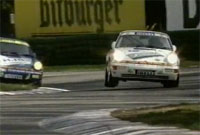
Used to be that we were head-over-heels in love with the Audi 4.2 L V8. Now? Not as much. Don’t get us wrong— its throaty, rumbly basso profondo still sounds plenty good. Hear it coming, and it turns heads, ours included. But now, instead of sounding especially sporty or racy to us, it sounds… well, like a muscle car, which carries some good as well as some not so good connotations. Really, what we’re realizing more and more – which was lost on our younger selves – is that raw displacement isn’t the be-all-end-all when it comes to how stirring a car can sound. A small-displacement 6 or even 4-cylinder engine that wails maniacally all the way up to its upper register will always make hairs stand on end more than a big, lazy-sounding V8. Obvious? Perhaps— but it wasn’t always the case with us.

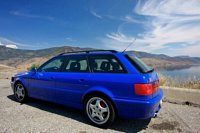
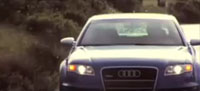
Application: RS4 (B7). In spite of the piling on, we still have a soft spot for these cars.
Not to say that the Audi V8 sounds lazy, but even in the higher-revving applications, it sounds like it’s missing… urgency. Insistence. An unmistakable edge. In a gradual turn of events, we now find ourselves preferring – nay, greatly preferring – something like the sharp, rorty bark of Audi’s turbocharged 5-cylinder engines of yore (which appear to be on the cusp of making a comeback, incidentally). We couldn’t have imagined saying that even one or two short years ago, especially given that we like natural aspiration over forced induction.
Have a listen and tell us what you think:
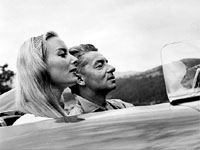
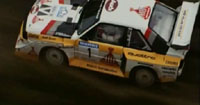
Is it apples and oranges to compare a road car to a race car? Not to mention patently unfair? Yes and yes. (And of course, it doesn’t help that the Jacky/Vanina Ickx spot is painfully cute (or borderline unwatchable, depending on your point of view).) But it conveniently fits the narrative 🙂
Feel free to link to your favorite-sounding small-displacement engine. Just no exotic or supercar applications, please— this post is mainly about ‘real world’ examples (in spite of the Sport Quattro clip, which we couldn’t resist).
(Hat tip to Murph for unearthing the Ickx video.)
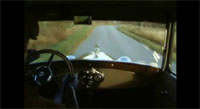
We don’t love the Alfa Romeo Montreal, but here it looks positively mouthwatering. And the E-Type obviously speaks for itself. That steering wheel! Those switches and dials! Incredible.
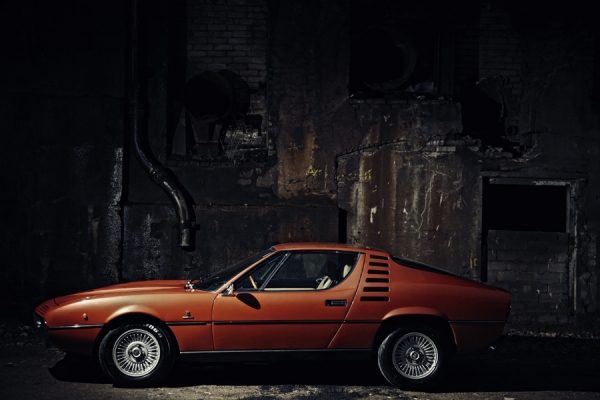
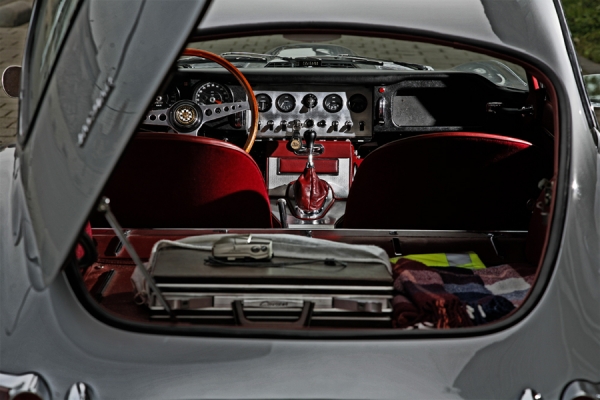
Images: fabienbreuil.com, via the always great Blenheim Gang







































 Motoring Con Brio