This is absolutely cool

•April 30, 2019 • Comments Off on This is absolutely cool

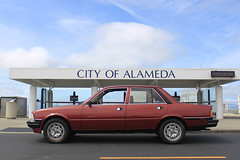
Organized by our good friend Noah Lambert. We would if we could.

Welcome to the first annual Mezzo 200 Reliability Trial. Modeled after the famed road races of last century, the Mezzo 200 (pronounced met-sō) is a leisurely 200 mile organized drive through the most beautiful roads in the Illinois River valley. There are no points, no penalties, no registration fees and no prizes, just a fun day of classic motoring. Held each year in early October, the Mezzo 200 is a “last gasp” outing for those registered on Illinois extended antique license plates and a great excuse to get out and enjoy the fall foliage with like-minded enthusiasts. Fix that oil leak, register your car below for FREE, and we hope to see you in October!

CARS

Cars eligible for registration are any sports or touring car produced in or before 1973. This is a fun day of driving for enthusiasts of old cars, not a snobby car show. Breakdowns are encouraged and rust is part of the fun. Bring the strangest thing you’ve got!

Learn more and register here. We’d love to hear and see your post-rally stories and photos.

Classic BMWs That Are Becoming Collector Favourites

•December 1, 2025 • Comments Off on Classic BMWs That Are Becoming Collector Favourites

Classic BMWs have always held a special place in the hearts of car enthusiasts. Their blend of precision engineering, timeless styling, and driver-focused performance has allowed many older models to age gracefully—often becoming more desirable with every passing year.

Today, a handful of standout BMWs are rapidly emerging as collector favourites, attracting both seasoned enthusiasts and younger buyers who value analogue driving feel over modern digital complexity. And with many owners seeking factory-correct restorations, access to high-quality BM Spares parts has become more important than ever as these classics continue to appreciate.

If you’re considering adding a vintage BMW to your garage—or simply love exploring automotive icons—here are the models leading the surge in collector interest.

BMW E30 (1982–1994): A Cultural Icon

The E30 is arguably one of the most recognisable classic BMWs, thanks to its clean lines, perfect proportions, and unmatched driving dynamics for its era. While the legendary M3 commands the highest prices, even standard E30 models are being snapped up quickly, especially well-kept 325i and 318is variants.

Collectors love:

  • Its lightweight, responsive chassis
  • Strong aftermarket and restoration support
  • The unmistakable “old-school BMW” character

With prices continuing to rise, the E30 has moved from enthusiast favourite to serious collector asset.

BMW E24 6 Series (1976–1989): The Shark-Nosed Grand Tourer

The E24—often referred to as the “Shark”—has become a standout for collectors who appreciate elegant European grand tourers. Its long, low profile and distinctive nose give it an unmistakable silhouette, while its smooth six-cylinder engines deliver satisfying power without sacrificing refinement.

Reasons collectors are investing:

  • Its striking ’80s styling
  • Superb build quality
  • Increasing rarity in good condition

The M635CSi, in particular, has skyrocketed in value due to its motorsport DNA and limited global numbers.

BMW E39 M5 (1998–2003): The Perfect Sports Sedan

Often referred to as one of the greatest sports sedans ever built, the E39 M5 blends understated looks with a naturally aspirated V8 that still impresses today. It represents the peak of BMW’s analogue performance era before driver-assistance tech began to dominate automotive design.

Why it’s becoming a collector favourite:

  • The legendary 4.9-litre S62 V8
  • A perfectly balanced chassis
  • Increasing appreciation for early-2000s performance cars

Pristine examples—especially with documented maintenance—are becoming increasingly difficult to find.

BMW 2002 (1968–1976): The Car That Defined the Brand

Long before BMW became synonymous with premium performance sedans, there was the 2002. This compact, lively classic put BMW on the global map for producing sporty yet practical cars.

Collectors value the 2002 for:

  • Its motorsport pedigree
  • Lightweight, engaging driving experience
  • Iconic round-taillight and tii variants

The 2002 continues to attract both seasoned collectors and newcomers seeking a charismatic, accessible classic.

BMW E46 M3 (2000–2006): A Modern Classic Rising Fast

The E46 M3 is one of the most celebrated M cars ever made, especially with its high-revving S54 engine and beautifully balanced handling. As the last M3 offered with a naturally aspirated straight six, it represents an era many enthusiasts want to preserve.

What’s driving collector demand:

  • Increasing rarity of low-kilometre examples
  • Strong connection to early-2000s car culture
  • Recognised as a “last of its kind” performance hero

Both manual and SMG versions are gaining value, though manuals remain the most sought after.

BMW E9 Coupe (1968–1975): Elegance on Wheels

A true design icon, the E9 coupe is one of the most visually stunning cars BMW has ever produced. Its motorsport-inspired 3.0 CSL variants are extremely rare and command premium prices, but even the standard E9 is now considered blue-chip collector territory.

Collectors admire:

  • Its timeless, handcrafted elegance
  • Lightweight construction
  • Deep motorsport heritage

Well-restored examples have become crown jewels in many classic BMW collections.

As collectors increasingly seek vehicles that offer authentic mechanical feel, timeless design, and a rich heritage, classic BMWs continue to climb in value and desirability

Whether you’re drawn to the raw performance of an M car, the elegance of a vintage coupe, or the charm of a ’70s icon, now is an exciting time to explore the world of classic BMW ownership.

Test Your Spooky Skills With This Halloween Quiz

•October 27, 2025 • Comments Off on Test Your Spooky Skills With This Halloween Quiz

Costumes, decorations, games, food and more…there’s a lot of spooky stuff out there – both online and offline – to craft the perfect Halloween experience this year.

For the real die-hard fans of this time of year (we know you’re out there) it’s probably safe to say that of all the things you can “spookify”, you probably haven’t given much thought to your car!

While it’s probably not a good idea to put a carved pumpkin (complete with the open flame of a tea light) in your car, Regtransfers – better known for their selection of personalised registration plates – have sunk their fangs into the spirit of things this year, with a surprisingly fun and challenging Halloween quiz. 

These 13 questions (of course) offer the perfect excuse to test your Halloween knowledge while browsing a special selection of Halloween-inspired private number plates.

You can check out the quiz here: https://www.regtransfers.co.uk/content/halloween-numberplates-quiz-2025

Do you dare to give it a go?

Common Defenses Used in Speed-Related Car Accident Cases

•December 17, 2024 • Comments Off on Common Defenses Used in Speed-Related Car Accident Cases

Speed-related car accidents often attract attention because they can lead to serious injuries and significant financial losses. These accidents are usually caused by factors like driver choices, road conditions, and vehicle performance. It’s important to determine who is responsible, as the legal consequences can affect everyone involved. Understanding the rules drivers must follow helps clarify how responsibility is assigned in these cases.

In speed-related accidents, drivers may use different legal defenses, such as claiming an emergency situation or questioning the accuracy of speed measurements. Each defense offers a chance for drivers to explain their side of the story and argue their case. If you’re involved in such an accident, consulting with an auto accident attorney can help you understand the legal strategies that could influence the outcome of your case.

Claim of Sudden Emergency

A sudden emergency defense applies when drivers need to make quick decisions due to unexpected events. For example, if an obstacle suddenly appears on the road or a vehicle has a mechanical issue like brake failure. In these cases, drivers may argue that speeding was a response to an emergency, not a disregard for the law.

To use this defense successfully, the driver must prove that there were no reasonable alternatives. This could include witness statements showing that the emergency happened suddenly, giving the driver no time to react safely. The driver must demonstrate that they acted as any reasonable person would in the same situation, focusing on safety rather than strictly following speed limits.

Contributory Negligence

In speed-related accidents, contributory negligence comes up when one driver claims the other’s actions helped cause the crash. This could happen if another driver was driving erratically, like swerving through traffic or changing lanes unsafely, making the situation worse. The speeding driver might argue that the other driver’s reckless behavior created a dangerous environment and played a big role in the accident.

To support a contributory negligence defense, it’s important to provide clear evidence. This could include accident reports showing the other driver’s behavior before the crash or witness statements confirming careless driving. If the other driver’s actions are shown to be unreasonable, it could shift some of the blame and reduce the speeding driver’s responsibility.

Mechanical Failure

Mechanical failures are often used as a defense in speed-related accidents. A driver might claim that an unexpected issue, like brake failure or a tire blowout, caused the crash. These problems can happen suddenly and make accidents look like reckless speeding, even if they weren’t intentional. The key is proving that the failure was truly unexpected and not due to neglect or poor maintenance.

To support this defense, strong evidence is needed. This can include repair records, inspection reports, or expert testimony showing the vehicle’s maintenance history and that the driver had no warning of the problem. The main challenge is proving the failure was sudden—if the driver had signs of a potential issue beforehand, the defense may lose credibility.

Inaccurate Speed Measurement

Arguments about inaccurate speed measurement often come up in collisions involving excessive speed. Drivers may question how authorities measure speed, arguing that tools like radar or lidar devices were faulty. Claims of broken equipment, poor calibration, or misuse can provide a solid reason to dispute the recorded speeds. This defense requires investigating the equipment’s condition and the officer’s expertise.

The success of this defense depends on evidence about the devices, such as maintenance records, calibration logs, and the officer’s training. If the defense shows that the speed detection tools weren’t accurate, a different story about the driver’s actions may unfold.

Causation in Speed-Related Accidents

In speed-related accidents, proving causation becomes a key issue in deciding who is responsible. A driver might argue that speeding didn’t directly cause the crash or the injuries. This often involves looking at the events leading up to the accident and showing that other factors played a role. For example, poor road conditions like icy patches or potholes can change how the crash unfolds, making it unfair to blame speeding alone.

To support this, the driver might use evidence like traffic camera footage, eyewitness accounts, or accident analysis. By pointing out other factors—like another driver’s reckless behavior or unexpected obstacles—they may shift the focus away from their speed. If successful, this defense can change the blame, making the situation more complex than simply attributing fault to speeding.

Each defense in speed-related car accidents provides a way for drivers to explain what happened and challenge responsibility. Whether it’s a claim of a sudden emergency, shared fault, or mechanical failure, the aim is to present a reasonable argument that reduces or removes liability. Strong evidence, like witness statements, accident reports, and maintenance records, is key in backing up these defenses. Understanding these strategies helps those involved in speed-related accidents manage the legal process, with the outcome ultimately depending on how well the evidence is presented and the details of the incident.

Understanding Moving and Non-Moving Violations: Key Considerations for Drivers

•May 15, 2024 • Comments Off on Understanding Moving and Non-Moving Violations: Key Considerations for Drivers

The field of automotive regulation is broad and includes many rules and penalties to keep roads safe. This includes both moving and non-moving violations, which have serious effects for drivers. Understanding the difference between these types of violations is important because it impacts things like insurance rates and legal consequences.

This guide examines both moving and non-moving violations, placing each in real-life contexts to clarify the situations that typically lead to each type of violation and their potential impacts on a driver’s record. What’s more, we provide drivers with useful knowledge through relevant examples and legal explanations to help them make better decisions on the road and reduce the risks associated with violations.

Moving Violations

When we talk about moving violations, it’s important to understand that these are any infractions that happen while a vehicle is in motion. These violations, such as speeding, running red lights, or making improper lane changes, aren’t just breaking traffic laws; they have serious consequences that may even require the assistance of a traffic ticket lawyer. Usually, they add points to a driver’s record, which authorities often use to track and regulate driver behavior.

If you accumulate too many points, it can result in fines, which could be high depending on how severe the violation is, and in more serious cases, it could lead to losing your license. This also leads to higher insurance premiums, so each moving violation isn’t just a legal issue but also a financial and administrative one. From a law enforcement perspective, these strict penalties are meant to discourage reckless driving and maintain order on the roads.

Examples of Moving Violations

Taking a closer look at various moving violations reveals behaviors that greatly impact road safety and legal outcomes. Reckless driving stands out; characterized by a blatant disregard for traffic laws, such as the posted speed limit, and can result in severe penalties. Similarly, failing to yield, where a driver doesn’t give way when required, not only disrupts traffic but also increases the risk of accidents.

Not using turn signals is another common violation that, despite seeming minor, is key for the predictability and safety of vehicle maneuvers. Perhaps most dangerous is driving under the influence of alcohol or drugs, which impairs judgment and reaction times, posing a serious threat to all road users.

Non-Moving Violations

Now, let’s talk about non-moving violations, which are when you break the rules while your vehicle is parked or stationary. This could be things like parking where you’re not supposed to or driving a car with expired registration tags. Unlike moving violations, non-moving ones usually don’t add points to your driving record. But they can still mean you have to pay big fines and, sometimes, even have your vehicle taken away.

Cities often use these violations to make sure people follow parking rules and use public spaces the right way. Drivers need to know that even though these violations might seem less serious than moving ones, the fines and the risk of losing your vehicle can cause serious problems and cost a lot of money.

Examples of Non-Moving Violations

Looking closer into non-moving violations, these infractions occur when the vehicle is not in motion and are often overlooked despite their significant consequences. For example, parking in a no-parking zone not only disrupts traffic flow but also results in fines enforced by municipalities to maintain order in public spaces.

Equally troublesome is parking in a designated handicapped spot without the required permit, which not only leads to fines but also deprives individuals with disabilities of their designated parking spaces. Additionally, driving a vehicle with expired registration can result in penalties such as fines and impoundment. While these infractions may not directly affect a driver’s record like moving violations, they still impose financial and legal burdens that can be avoided by carefully following local vehicle regulations.

Understanding the Consequences

Talking about both moving and non-moving violations gives us important insights into how breaking the rules can impact drivers. It’s not just about the legal consequences; it’s about how it can change your driving record and make your insurance costs go up, which could affect your ability to drive. Understanding these violations and taking steps to avoid them can help you avoid getting penalties.

For example, with moving violations, you might get points on your driving record, which can make your insurance rates go up and even lead to losing your license. Non-moving violations usually don’t add points, but they still mean you have to pay fines, which can be a hassle financially and in terms of paperwork. Drivers who take the time to learn about these differences and actively avoid breaking the rules not only save money but also make the roads safer for everyone.

This article highlighted the differences between moving and non-moving violations, aiming to help drivers understand why it’s important to recognize these distinctions to handle the consequences effectively. We focused on moving violations, showing how they come with serious penalties like fines and possibly losing your license, which can impact safety and your legal status. On the other hand, non-moving violations, such as parking violations or issues with registration, don’t add points to your driving record but can still lead to fines and even having your vehicle taken away. Knowing these categories helps drivers make safer choices, avoid penalties, and make the roads safer for everyone.

From Spice to Slice: Customized BBQ Rubs for Every Meat Cut

•April 12, 2024 • Comments Off on From Spice to Slice: Customized BBQ Rubs for Every Meat Cut

Barbecuing has long been a cherished culinary tradition, especially in regions where the smoke and sizzle of the grill denote not just a cooking method, but a whole culture of flavor and fellowship. The choice of meat is key, of course, but what truly sets one’s barbecuing skills apart is the mastery of the BBQ rub—a combination of spices and seasonings that forms the backbone of flavor for any meat. In an industry that continues to innovate with new grilling techniques and flavor profiles, the importance of selecting the right rub can’t be overstated as it lays the ground for a delicious experience that’s hard to forget. With this in mind, focusing on the perfect BBQ rub for each type of meat ensures a memorable meal that resonates with the essence of good barbecue.

This article offers a fresh take on selecting BBQ rubs, going beyond the traditional “one-rub-fits-all” approach. Through a deeper understanding of how different spices and seasonings interact with various types of meat, you can unlock a new level of taste and texture in your grilling endeavors. We will dissect the chemistry of flavors and present tailored rub solutions for chicken, pork, and beef, shining light on how specific combinations can accentuate the natural character of each meat.

Understanding the Basics of BBQ Rubs

Exploring BBQ rubs, it’s important to recognize that these flavorful mixes are more than just a random combination of spices—they are a well crafted blend designed to complement the meat’s natural flavors and create a mouthwatering crust. Central to most BBQ rubs is a balance of salt and sugar, which work together to amplify flavors and assist in caramelization during cooking. A variety of ground peppers add heat and complexity, while herbs like thyme, oregano, and rosemary contribute aromatic qualities. 

Other ingredients such as paprika, cumin, turmeric, and garlic powder round out the profile, offering depth and warmth. The secret lies in how these ingredients are proportioned; too much salt can overwhelm the meat, and excessive sugar may burn. Getting your hands dirty and making your own BBQ rub allows for full control of the spice levels and the pleasure of tailoring it to your taste. Begin with a solid foundation—equal parts salt and sugar—and experiment with different spices and ratios to discover your ideal mix. Quality matters too; using fresh, high-quality spices can mean the difference between a good and an extraordinary BBQ experience.

Choosing the Right Rub for Chicken

When selecting the ideal seasoning for your BBQ chicken, the wide selection of flavors suitable for this lean meat can broaden your culinary perspective. A perpetual favorite, the traditional barbecue mix, often contains components like paprika, brown sugar, dry mustard, and onion powder, creating a sweet and smoky flavor that adheres well to the chicken’s exterior as it cooks. For those wishing to try something different, think about adding vibrant citrus notes—blending in grated lemon or orange zest with a hint of coriander can enhance the dish with lively aromas. 

At the same time, herb-based seasonings that combine rosemary, thyme, and sage introduce a dimension of savoriness and richness, ideally suited to the subtle taste of chicken. The secret to perfecting chicken seasonings is in achieving balance; your goal is to amplify the meat’s inherent taste without dominating it. Thoroughly coat your chicken with the selected seasoning before cooking to ensure the spices and herbs permeate the meat, and keep in mind that the skin acts as a barrier for these robust flavors, maintaining the juiciness and softness of the meat underneath throughout the grilling process.

Finding the Perfect Rub for Pork

Optimizing the taste of pork requires a seasoning mix that enhances its naturally robust flavor. A suitable mix for pork will create a balance between sweet and savory aspects, taking into account the cut of the meat. Pulled pork and ribs often do well with a mix that starts with sweetness, like brown sugar, to complement the richer tastes that come with slow cooking. Including smoked paprika, chili powder, and a bit of cayenne can introduce a smoky and slightly spicy character that is common in many BBQ styles. 

On the other hand, using a zestful mix that includes elements such as ground mustard, black pepper, and garlic powder can form a zesty crust perfect for pork chops or tenderloin. When applying citrus-based mixes, it’s important to not let it sit for too long, as the acids can begin to cook or toughen the surface. The secret to great pork seasoning is finding balance among spicy, sweet, and zesty components—enhancing the pork’s taste without overpowering it. To achieve a uniform application, it’s advisable to liberally apply the seasoning to the meat, allowing it to sit and take in the flavors before cooking.

Enhancing Beef With the Right Rub

Finding the perfect rub to complement beef is an essential step in creating a mouthwatering barbecue experience. Tender cuts like ribeye and filet mignon often require nothing more than a generous sprinkling of salt and cracked black pepper, allowing the richness of the meat to shine through. For more robust cuts such as brisket or chuck, a complex rub that includes a base of brown sugar for caramelization, paprika for a hint of smokiness, and cayenne for a subtle kick can infuse deep flavors into the meat. 

Ingredients such as garlic powder, onion powder, and a touch of cumin further develop the profile, delivering a full-bodied flavor suited for the hearty texture of these cuts. The key to any good rub is the way it enhances the beef without overpowering it; a well-executed rub creates a balance between the meat’s natural savoriness and the sweet and smoky notes of the spices, which is especially important for slow-cooked barbecue that benefit from the spices melting into the meat over the hours of cooking.

Tips for Experimenting With Rubs

Custom BBQ rubs open up a playground of flavors for your palate. Start with a classic mix and give it a personal twist by adding unconventional spices like turmeric for an earthy touch or ground coffee for a rich, robust depth. Remember, subtlety is key when incorporating new flavors; you want to complement the meat, not overshadow it. Keep a close eye on the salt content, which is essential for enhancing other flavors without making the rub too salty. An effective method is to salt the meat lightly before applying your rub for a controlled seasoning experience. You should also consider texture—finer spices adhere better and impart more flavor, while coarser grains add a pleasant crunch. 

Once you’ve created your mix, test it on a small portion of meat before committing to a larger batch; this allows you to fine-tune the flavor balance. Lastly, document your ingredient ratios to ensure consistency and ease in replicating or refining your recipe in future cooking endeavors. Embrace the process of trial and error; it’s the best way to discover what excites your taste buds and master the craft of signature rub creations.

In summary, selecting the ideal BBQ rub for each type of meat is a key component of the grilling experience. Whether opting for a traditional mix for chicken, balancing sweet and savory notes for pork, or choosing a simple yet effective rub for beef, the proper seasoning enhances the natural flavors of the meat. Creating custom blends allows for personalization and a touch of creativity in your cooking. By following the guidelines presented in this article, anyone can improve their grilling skills and enjoy barbecue.

Cost-Effective Shipping: Balancing Savings with Quality Service

•March 20, 2024 • Comments Off on Cost-Effective Shipping: Balancing Savings with Quality Service

Efficient shipping practices are at the heart of many successful businesses, especially in an era where e-commerce continues to grow at a rapid pace. For companies of all sizes, managing shipping expenses can be a balancing act between maintaining profitability and ensuring customer satisfaction. The importance of reducing shipping costs without affecting quality cannot be overstated; high shipping expenses not only cut into a company’s bottom line but also can inflate prices for customers. Yet, despite the challenges, it’s possible to rein in these costs without sacrificing the standards that consumers have come to expect. 

This article will examine a series of practical strategies that companies can employ to help manage shipping expenses. By providing a unique perspective on optimizing existing shipping procedures, we aim to present actionable insights that businesses can leverage to strike the perfect balance between cost efficiency and quality service.

Negotiate Rates with Carriers

To effectively lower the shipping cost, actively discussing terms with carriers is a method that deserves attention. Building a connection with carriers goes beyond merely creating a professional link; it is a sensible step that can lead to agreements beneficial for both parties. When companies regularly send out a large number of shipments, carriers are often inclined to offer lower prices, recognizing the importance of consistent business. Such discussions are dynamic and specific to each case; they demand a unique strategy, considering a company’s particular shipping habits, frequencies, and operational requirements. 

Custom conversations with carriers can lead to a range of discounts which, even if minor individually, add up to notable savings as time goes by. By using their shipping volume as a bargaining chip, companies can establish a more economical shipping method that can significantly affect their profit margins.

Optimize Packaging

In the pursuit of lower shipping costs, refining packaging practices is a key strategy that shouldn’t be overlooked. Employing packaging that is precisely tailored to the size and protection requirements of the product not only cuts down on shipping volume and weight but also has the potential to reduce material costs. A lighter package is generally cheaper to ship, and using innovative, sustainable materials may further lower overhead by decreasing waste disposal fees and sometimes even earning businesses green tax credits. The key is to balance protection with efficiency, as inadequate packaging could lead to damaged goods and the associated costs of returns and customer dissatisfaction. 

Therefore, companies must conduct thorough testing to ensure their optimized packaging solutions are robust enough to withstand the rigors of transit while remaining as minimal and cost-effective as possible. This strategic approach also resonates with the growing consumer demand for eco-friendly practices, potentially enhancing brand reputation and favorability in the market.

Utilize Multiple Carriers

The strategic engagement of diverse shipping carriers presents significant opportunities for businesses to reduce costs in their dispatch operations. Smartly leveraging competition in the shipping industry, companies can carefully assess and compare the varying service offerings and price points across multiple carriers. By adopting such a detailed review system for each consignment, businesses are positioned to select the most economically viable option without risking service reliability or delivery speeds. 

The adoption of a multi-carrier approach not only prevents overreliance on a single service provider but also provides businesses with the flexibility to adjust to changing shipping volumes, routes, and customer needs. This can also serve as a protection against potential disruptions with one specific carrier, ultimately maintaining the business’s ability to provide continuous and cost-effective delivery solutions.

Implement a Shipping Software

Incorporating the right shipping software is an impactful strategy for businesses aiming to enhance their distribution model and curtail related expenditures. The appropriate software solution serves as a key tool in the hands of supply chain managers, helping to automate important aspects of shipping operations such as selecting the most cost-effective shipping rates from various carriers, issuing labels, and managing package tracking. This level of automation translates into a more efficient shipping workflow, saving labor hours, reducing human error, and expediting the overall process. 

Companies can reap the benefits of integrating advanced analytics features available in most shipping software, providing valuable insights into shipping patterns and trends which can be used to further refine shipping strategies. Additionally, by integrating with other business systems, such as inventory management and customer relationship management platforms, shipping software ensures that there is cohesive communication across all channels, directly leading to a more streamlined shipping process and cost savings in the long term.

Offer Shipping Incentives

Enhancing customer retention while simultaneously diminishing shipping outlays is achievable through the deployment of shipping incentives—an approach that’s both sharp and consumer-friendly. By setting thresholds that qualify for free shipping, businesses encourage customers to meet or exceed a specified spending level, which not only increases the average order value but also makes the order fulfillment process more efficient. 

Additionally, offering reduced shipping fees to faithful, returning customers as a reward for their consistent support creates a sense of gratitude and encourages repeat business, which is more cost-effective than acquiring new customers. These incentives serve as a dual benefit; they not only elevate customer satisfaction and loyalty, which are essential to long-term business success, but also assist companies in controlling and predicting shipping volumes more effectively, leading to bulk shipping discounts and more orderly inventory management. Consequently, shipping incentives not only please customers but also bring about a significant reduction in logistical costs.

In conclusion, the outlined strategies provide a diverse approach to reducing shipping expenses while maintaining superior service quality. Through negotiation with carriers, optimizing packaging, utilizing a mix of shipping services, embracing shipping software, and offering customer incentives, businesses are able to significantly trim costs. These strategies contribute to both immediate savings and long-term financial health, ensuring that customers receive their orders promptly and undamaged, which bolsters customer loyalty and market presence. While this article provides a solid foundation, readers interested in further refining their shipping expenses can research additional cost-saving practices such as regional carrier options, outsourcing fulfillment, or analyzing deeper levels of logistics optimization online. Ultimately, with thoughtful application, these strategies can benefit both a company’s bottom line and its standing in a competitive business environment.

Cost-Effective Shipping: Balancing Savings with Quality Service

Efficient shipping practices are at the heart of many successful businesses, especially in an era where e-commerce continues to grow at a rapid pace. For companies of all sizes, managing shipping expenses can be a balancing act between maintaining profitability and ensuring customer satisfaction. The importance of reducing shipping costs without affecting quality cannot be overstated; high shipping expenses not only cut into a company’s bottom line but also can inflate prices for customers. Yet, despite the challenges, it’s possible to rein in these costs without sacrificing the standards that consumers have come to expect. 

This article will examine a series of practical strategies that companies can employ to help manage shipping expenses. By providing a unique perspective on optimizing existing shipping procedures, we aim to present actionable insights that businesses can leverage to strike the perfect balance between cost efficiency and quality service.

Negotiate Rates with Carriers

To effectively lower the shipping cost, actively discussing terms with carriers is a method that deserves attention. Building a connection with carriers goes beyond merely creating a professional link; it is a sensible step that can lead to agreements beneficial for both parties. When companies regularly send out a large number of shipments, carriers are often inclined to offer lower prices, recognizing the importance of consistent business. Such discussions are dynamic and specific to each case; they demand a unique strategy, considering a company’s particular shipping habits, frequencies, and operational requirements. 

Custom conversations with carriers can lead to a range of discounts which, even if minor individually, add up to notable savings as time goes by. By using their shipping volume as a bargaining chip, companies can establish a more economical shipping method that can significantly affect their profit margins.

Optimize Packaging

In the pursuit of lower shipping costs, refining packaging practices is a key strategy that shouldn’t be overlooked. Employing packaging that is precisely tailored to the size and protection requirements of the product not only cuts down on shipping volume and weight but also has the potential to reduce material costs. A lighter package is generally cheaper to ship, and using innovative, sustainable materials may further lower overhead by decreasing waste disposal fees and sometimes even earning businesses green tax credits. The key is to balance protection with efficiency, as inadequate packaging could lead to damaged goods and the associated costs of returns and customer dissatisfaction. 

Therefore, companies must conduct thorough testing to ensure their optimized packaging solutions are robust enough to withstand the rigors of transit while remaining as minimal and cost-effective as possible. This strategic approach also resonates with the growing consumer demand for eco-friendly practices, potentially enhancing brand reputation and favorability in the market.

Utilize Multiple Carriers

The strategic engagement of diverse shipping carriers presents significant opportunities for businesses to reduce costs in their dispatch operations. Smartly leveraging competition in the shipping industry, companies can carefully assess and compare the varying service offerings and price points across multiple carriers. By adopting such a detailed review system for each consignment, businesses are positioned to select the most economically viable option without risking service reliability or delivery speeds. 


The adoption of a multi-carrier approach not only prevents overreliance on a single service provider but also provides businesses with the flexibility to adjust to changing shipping volumes, routes, and customer needs. This can also serve as a protection against potential disruptions with one specific carrier, ultimately maintaining the business’s ability to provide continuous and cost-effective delivery solutions.

Implement a Shipping Software

Incorporating the right shipping software is an impactful strategy for businesses aiming to enhance their distribution model and curtail related expenditures. The appropriate software solution serves as a key tool in the hands of supply chain managers, helping to automate important aspects of shipping operations such as selecting the most cost-effective shipping rates from various carriers, issuing labels, and managing package tracking. This level of automation translates into a more efficient shipping workflow, saving labor hours, reducing human error, and expediting the overall process. 

Companies can reap the benefits of integrating advanced analytics features available in most shipping software, providing valuable insights into shipping patterns and trends which can be used to further refine shipping strategies. Additionally, by integrating with other business systems, such as inventory management and customer relationship management platforms, shipping software ensures that there is cohesive communication across all channels, directly leading to a more streamlined shipping process and cost savings in the long term.

Offer Shipping Incentives

Enhancing customer retention while simultaneously diminishing shipping outlays is achievable through the deployment of shipping incentives—an approach that’s both sharp and consumer-friendly. By setting thresholds that qualify for free shipping, businesses encourage customers to meet or exceed a specified spending level, which not only increases the average order value but also makes the order fulfillment process more efficient. 

Additionally, offering reduced shipping fees to faithful, returning customers as a reward for their consistent support creates a sense of gratitude and encourages repeat business, which is more cost-effective than acquiring new customers. These incentives serve as a dual benefit; they not only elevate customer satisfaction and loyalty, which are essential to long-term business success, but also assist companies in controlling and predicting shipping volumes more effectively, leading to bulk shipping discounts and more orderly inventory management. Consequently, shipping incentives not only please customers but also bring about a significant reduction in logistical costs.

In conclusion, the outlined strategies provide a diverse approach to reducing shipping expenses while maintaining superior service quality. Through negotiation with carriers, optimizing packaging, utilizing a mix of shipping services, embracing shipping software, and offering customer incentives, businesses are able to significantly trim costs. These strategies contribute to both immediate savings and long-term financial health, ensuring that customers receive their orders promptly and undamaged, which bolsters customer loyalty and market presence. While this article provides a solid foundation, readers interested in further refining their shipping expenses can research additional cost-saving practices such as regional carrier options, outsourcing fulfillment, or analyzing deeper levels of logistics optimization online. Ultimately, with thoughtful application, these strategies can benefit both a company’s bottom line and its standing in a competitive business environment.

The Road to Savings: Cutting Costs on SR22 Insurance in California

•March 20, 2024 • Comments Off on The Road to Savings: Cutting Costs on SR22 Insurance in California

Driving is an essential part of life in California, where sprawling cities and wide stretches of highway define the state’s vast geography. Maintaining a valid driver’s license and proper insurance is not just a legal requirement; it’s a vital aspect of responsible vehicle operation. However, for those who have experienced driving convictions such as DUIs or serious traffic violations, securing insurance coverage can become complicated and expensive. SR22 insurance, a certification of financial responsibility, is required for such drivers to reinstate and maintain their driving privileges. Addressing the costs associated with SR22 insurance is an important topic for California drivers aiming to regain their status on the road legally and affordably.

Offering a unique perspective on this topic, this article will explore the depths of SR22 insurance costs in California. Unlike other resources that may simply list out expenses, this guide aims to analyze the different factors contributing to the varying prices and provide actionable advice for managing those costs. With a keen eye on industry trends and regulatory subtleties, we will disentangle the challenges of finding cheap SR22 insurance, such as comparing quotes from various providers. Ultimately, our goal is to empower California drivers with a thorough understanding, enabling them not only to fulfill their legal obligations but also to optimize their expenses in the process.

Factors Affecting SR22 Insurance Costs in California

In determining the cost of SR22 insurance in California, insurers carefully assess several individual factors that ultimately shape the premium scenery. Central among these is the age of the driver, with younger motorists often facing higher rates due to perceived inexperience and associated risks. Similarly, a driver’s record plays a key role; incidents such as accidents, DUI convictions, and other traffic infractions contribute to heightened costs, reflecting the elevated risk insurers undertake. 

Beyond personal history, the insured vehicle itself influences pricing. High-performance cars, for instance, typically incur additional charges due to their speed capabilities and the likelihood of more costly claims. The frequency and length of coverage required for the SR22 certification can also sway the final price, with extended needs usually resulting in increased premiums. Together, these elements form the matrix of considerations that insurers evaluate when establishing the cost of SR22 policies for California drivers.

Comparing SR22 Insurance Quotes in California

When examining the specifics of SR22 insurance in California, a savvy approach involves gathering and comparing quotes from multiple insurers. This comparative shopping is not just a cursory glance at different prices, but an essential step in securing a cost-effective SR22 policy. The rates offered by insurance carriers can differ substantially based on their individual risk assessment models and underwriting criteria. By procuring a variety of quotes, drivers can qualitatively evaluate the coverage terms and identify the most competitive offer that aligns with their financial and legal needs. 

It’s vital to closely review each policy’s fine print, as the cheapest quote may not always provide the most value. Factors such as customer service reputation and claims handling efficiency should also be weighed during this process. Ultimately, putting in the effort to systematically compare SR22 insurance quotes can lead to substantial savings, ensuring that drivers in California meet their statutory insurance requirements without overpaying.

Tips for Lowering SR22 Insurance Costs in California

Californians facing the need for an SR22 policy can use several methods to lessen the higher insurance premiums typically associated with this requirement. Consistently showing safe driving practices is a reliable way for ensuring premiums stay as low as possible. Insurance companies reward drivers who avoid traffic infractions and accidents with lower rates, so adherence to traffic laws and attention on the road is critical. 

Additionally, completing a state-approved defensive driving course not only improves one’s driving abilities but also often results in discounts from insurers who view this as a commitment to safe driving. Other actions include choosing an economical vehicle with a good safety record to insure, as such vehicles usually attract lower rates. Using higher deductibles can also decrease monthly payments, although this means accepting more risk out-of-pocket in the event of a claim. Keeping continuous insurance coverage without lapses shows stability and responsibility to insurers, which may lead to more favorable rates. Lastly, it is beneficial to review one’s insurance policy periodically, especially after life changes such as aging or improvements in a driving record, to ensure that the SR22 insurance cost is still appropriate for the current risk profile.

Common Mistakes to Avoid When Purchasing SR22 Insurance in California

Securing SR22 insurance in California is a key step for drivers who need to maintain their driving privileges after specific offenses, but it’s a process laden with potential missteps. One of the most frequent mistakes is failing to disclose all driving offenses; transparency is key, as insurers require a complete picture of your driving history to provide accurate quotes. Withholding information can lead to inconsistency between DMV records and your insurance application, possibly resulting in policy cancellation or denial.

Additionally, many drivers neglect the importance of shopping around; it’s not enough to accept the first quote. Comparing policies from a range of providers ensures you are not paying more than necessary for your SR22 coverage. Ignoring this step can lead to overpaying for the same coverage another insurer might offer at a lower price. These common pitfalls highlight the importance of being thorough, informative, and resourceful when seeking California’s SR22 insurance options.

Understanding the Importance of SR22 Insurance in California

In the state of California, SR22 insurance is an essential requirement for drivers who have incurred driving offenses, such as DUI or reckless driving convictions. It acts as a proof of insurance for high-risk drivers, confirming to the state that they carry the minimum coverage mandates. 

Failing to maintain an active SR22 when mandated can put one’s legal driving status at risk and might result in the loss of driving rights and possible financial legal consequences. It is important for California drivers to recognize that holding SR22 insurance is about accepting responsibility for their past driving violations and showing a commitment to abiding by safe driving laws. The fallout from neglecting SR22 coverage can be significant, and being aware of renewal periods, payment of premiums, and understanding your policy’s details is key to prevent the severe punishments from failure to comply.

In summary, managing the cost of SR22 insurance in California is a complex undertaking that requires due diligence and strategic decision-making. We’ve highlighted the importance of understanding the various factors that influence premiums, such as age, driving history, and vehicle type. Additionally, comparing quotes from different insurance providers is an important step in finding the most affordable and suitable policy for your specific needs. By being proactive—maintaining a clean driving record, completing defensive driving courses, and choosing higher deductibles when appropriate—you can take effective measures to reduce your SR22 premiums.

Keeping Your Employees’ Vehicles Safe While They’re in Your Company Parking Lot

•August 1, 2023 • Comments Off on Keeping Your Employees’ Vehicles Safe While They’re in Your Company Parking Lot

As a business owner, it’s your responsibility to ensure the safety and welfare of everyone that uses your site. This includes, of course, your employees, but also those members of the public that you invite onto your premises. When doing this, however, the last thing you want is to be sued for lack of care or safety issues.

This means that you’ll have to get on top of the safety precautions that you offer on-site and especially within your company parking lot.

1. Gated entry with registration recognition

In order to keep your employees and their vehicles safe while they’re on your site, you should invest in a guarded gated entry with license plate recognition technology. This means that the gate will only be lifted for those vehicles that have been logged to have access.

Of course, this system won’t let in your visitors or your guests, so you’ll need to have security guards that can manually open the gates should they need to. Your security guards will also be able to welcome your visitors or guests and direct them to the areas where they can safely park and leave their vehicles. Therefore, this provides a valuable service to those visiting your site and creates an excellent first impression of your business.

2. Ensure your parking lot is in good repair

You should make sure that your parking lot is in good repair. Potholes, cracks, and uneven surfaces can damage a car, especially if faults are large or the car is low to the ground. If your security guard finds on their walk around that the surface has deteriorated, they should take the safety measures of cordoning off the area with traffic cones. This is to make sure that none of your employees or visitors end up with motoring bills either from their mechanic or their tire supplier. The next step is to call in the professionals that deal with resurfacing your parking lot so that the issue can be sorted out quickly and with minimal fuss or inconvenience to your business.

3. Install CCTV cameras around your site

In order to keep your site as secure and safe as possible for all users, you should invest in installing some CCTV cameras. Calling in the experts not only supply this but also to fit them will mean that they’re up and running sooner than trying to do it yourself or getting your business’s maintenance team to do it. When positioning your cameras, you need to make sure that you don’t leave any dark spots and that every aspect is covered and can be viewed easily.

4. Investing floodlighting all around your parking lot

In order to support your CCTV cameras, you should also invest in floodlighting for your parking lot. This will ensure that everyone who uses your parking lot can feel safe regardless of the amount of daylight available or whatever time of day it happens to be. This also includes your security guards, as they won’t be able to perform their role well if they have reduced lighting or areas of shadow around your parking lot.

A Closer Look at Automotive Marketing

•January 11, 2023 • Comments Off on A Closer Look at Automotive Marketing

The automotive industry is one of the most competitive markets out there. Companies are always looking for ways to stand out from the competition and capture the attention of potential customers. One of the most effective ways to do this is to use marketing strategies, such as advertising campaigns, sponsored content, and more.

Storytelling and Narrative

Car ad campaigns are renowned for their successful blend of storytelling and visuals, a concept best exemplified by David Ogilvy’s Rolls Royce campaign from the 1950s and 1960s. This awe-inspiring campaign showcased powerful narratives with striking visuals that set the standard for all future car advertisements.

The automotive industry has been graced with a few of the most creative and successful marketing campaigns in history. Crafting a perfect combination of innovation, inspiration, and emotion into one captivating package, these best car marketing campaigns have always had an immense impact on viewers, triggering delight and driving results.s.

Advertising Campaigns

Advertising campaigns are one of the most common forms of automotive marketing. They can be used to showcase a car’s features or highlight what makes it unique from other vehicles on the market. Companies can also use advertising campaigns to target specific audiences and create an emotional connection with potential customers.

Honda exemplifies storytelling in its advertising better than anyone else. Every ad builds an enthralling story arc, igniting intrigue and stirring emotion among viewers. Honda invites the audience to explore their world full of curiosity and amazement – a journey that cannot be found elsewhere.

By using the slogan ‘The Power of Dreams’, these ads celebrate creativity and ingenuity, which is precisely how Honda’s vehicles perform. What makes them so special? Standout pieces include ‘Let it Shine’, ‘The Cog’, and ‘The Impossible Dream.’ Overall, Honda has truly outdone itself with its awe-inspiring collection of commercials.

Emotional Connections

Honda knows how to effectively appeal to people by creating a bond that leaves the audience emotionally invested in their product. This is a crucial factor in all successful ads, regardless if they are part of display advertising or multi-million dollar commercials.

Ford decided to make a splash with their Mustang prank video for Valentine’s Day. And the Speed Dating campaign worked – the ads went viral. To attract viewers and create buzz around the video, they partnered up with a talent agency that put out an ad for young actors seeking to audition for a new dating show. The unsuspecting candidates were asked to meet up with the supposed host of this fictional TV show, who would determine if they qualified as finalists.

The process started with a harmless ride in a Mustang to get to know the host. But as she began to show off some daring driving skills – such as full spins at breakneck speed! – hidden cameras captured priceless reactions from those on board. This creative advertising campaign rapidly became one of the most successful in the automotive industry.

Reaching Gen X, Y, and Z

Chevrolet sought to break away from the traditional mold in order to make a lasting impression with their #BestDayEver campaign in 2015. By partnering with leading celebrities and influencers, the campaign gained incredible traction. To celebrate their success even further, an 8-hour live stream was hosted on YouTube where over 12,000 lucky people across America received unexpected gifts! Through this creative process, Chevrolet was able to construct an unforgettable experience that would remain deeply engraved in the memories of younger generations for decades.

Sponsored Content

Sponsored content was another factor in the success of the Chevy campaign. The campaign featured many celebrities and influencers taking part in “Acts of Awesomeness”, with familiar faces such as Alec Baldwin and Olivia Wilde substituting for college classrooms. At the same time, singer Kelly Clarkson hosted lunch for new mothers.

Sponsored content has become increasingly popular in automobile marketing in recent years. This involves partnering with influencers, celebrities, or well-known figures with a large online following. Volvo’s truck campaign is a good example of sponsored.

They hired Jean Claude van Damme as the star of their Volvo truck campaign and even had him perform his signature split between two trucks while in reverse motion! Not only did the ad win multiple awards, but 40 million people viewed it just 9 days after it launched and generated $170 million in revenue globally for Volvo.

Content Marketing

Content marketing is another essential form of automotive marketing that many companies utilize nowadays. This involves creating content such as blog posts and videos that educate potential customers about a particular car model or feature set. The idea is that consumers will use the information presented to choose to buy their product line.

Peugeot is educating their customers about mobility solutions available in their entire line of cars, scooters, and bikes – ensuring that there’s something for everyone. Peugeot builds trust with consumers before they make a purchase decision. The college student buying a scooter today will likely need a car in the future. The campaign is designed to work for generations as new buyers enter the market.

Conclusion

The automotive industry is an incredibly competitive space. But it is also one of the most creative regarding advertising campaigns, sponsored content, and content marketing. The industry keeps buyers interested by connecting with its customers through narrative, emotions, and humor. Whatever the state of the economy, brilliant ads sell cars and trucks.

What to Look for When Buying a Classic Car

•August 12, 2022 • Comments Off on What to Look for When Buying a Classic Car

Millions of people around the world consider themselves to be classic car lovers. For some, the attraction is in the unique styling and designs that hark back to a simpler time and allows them to reminisce on their childhoods. For others, the history behind the car is fascinating, and owning a rare example of a favourite marque is something that brings history alive with every drive. Most people tend to buy a classic car to keep it in showroom condition and occasionally take it out for a country drive on weekends. Perhaps even entering it into a regional classic car show if they are restoration experts or plan to have it in utterly pristine condition. Whatever your reason for purchasing a classic car, it is important to bear certain facts in mind. The following article explains three top tips when searching for the classic car of your dreams to ensure that you make a purchase that will be right for you.

What Will You Use It For?

A prime consideration in any classic car purchase is the main use that the vehicle is bought for. For example, if you intend to buy a car to restore to its former glory and have sound mechanical knowledge and access to spare parts, the overall condition and driveability of the car will be less important. You may even be in the market for a non-running vehicle that will be worked on for hundreds of hours and its initial condition will make the purchase price significantly less. Conversely, if you do not intend to restore the car and plan to use it for occasional or even regular use, then its mechanical condition becomes far more important. You will want an example that is known to be trouble-free and dependable. You can assure yourself of this by having the vehicle independently inspected before purchase.

Consider Insurance Costs

One potential pitfall in purchasing a classic car is not being aware of the insurance costs for it. The nature of classic cars is such that replacement parts may be hard to source and, as a result, any repair bills as the result of an accident or damage to the vehicle can be extremely expensive. Naturally, this in turn will push car insurance costs up when compared to normal modern production cars. It makes sense when looking for the best auto insurance to give an accurate description of the classic car you intend to buy. Do this before purchase and you will be better placed to work out the total budget for your vehicle.

Where to Buy It

When you are sure of the make and model of the classic car you want and have investigated insurance costs, the next step is to decide where to purchase it from. There are three main options at this stage. The first option is to buy from a classic car auction. This is a good choice in terms of being able to source the classic car of your dreams, but the nature of auctions is such that you will only be able to give the car a visual inspection and perhaps hear the engine turning over. You will not be able to thoroughly inspect it mechanically, so the risk of buying a car with such issues increases. Another option is to visit a dedicated car dealer who specializes in classic cars. Such dealerships may involve a long journey, but you are more likely to be able to thoroughly inspect the vehicle. Finally, it can be worthwhile to search for private sellers of classic cars. One key benefit is that you may be able to haggle more effectively with a private seller and should be able to get a thorough history of the car.