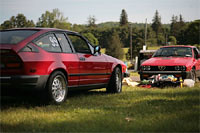
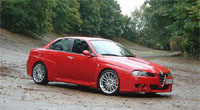
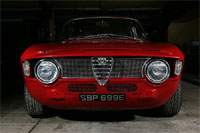
The Alfaholics stepnose GTA (which always looks good— quite possibly our favorite modified car to ever make an appearance on these pages) and a Lotus Elise at you-know-where. Excellent shot by Erhardt Szakacs.

Thanks for the photo, Erhardt!

The Alfaholics stepnose GTA (which always looks good— quite possibly our favorite modified car to ever make an appearance on these pages) and a Lotus Elise at you-know-where. Excellent shot by Erhardt Szakacs.
Thanks for the photo, Erhardt!
Guy on the right: Is she cute?
Guy on the left: (caressing car) I think Miss Fiat 500L is the best..
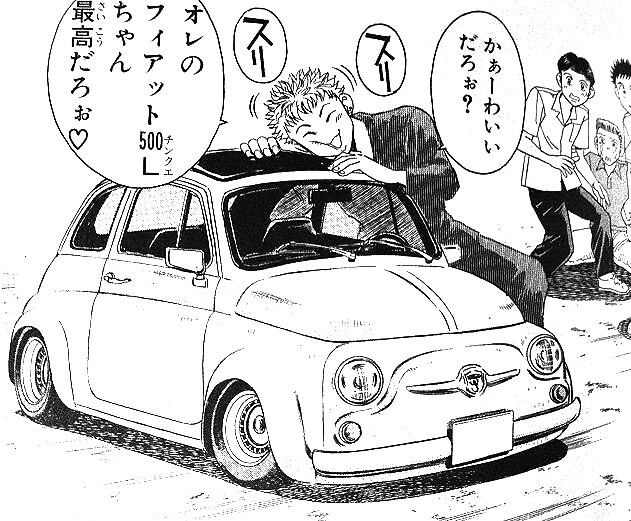
Hat tip to Skorj for the translation!
(Via auto-otaku.com)
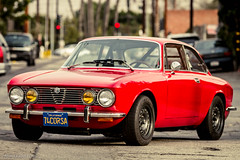
Quoth Jeremy Clarkson (who never met a metaphor he didn’t like): “[the Fulvia].. really is as pretty as the sun setting over Charlize Theron.”
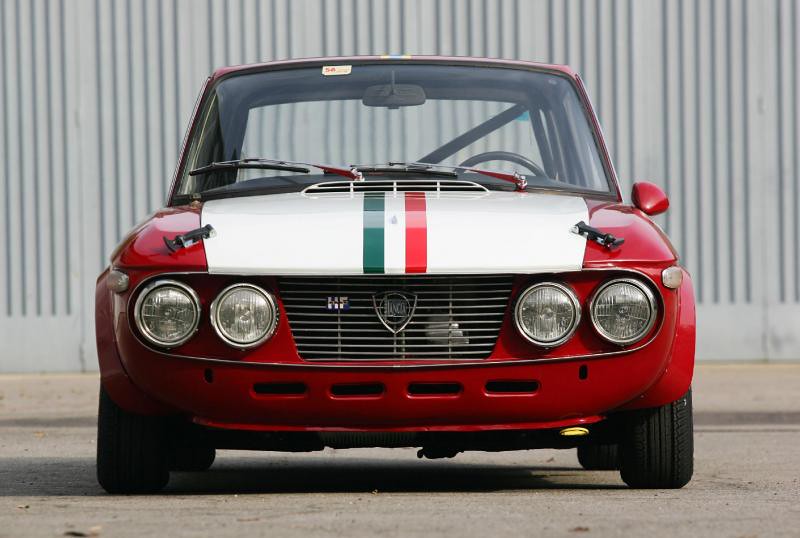

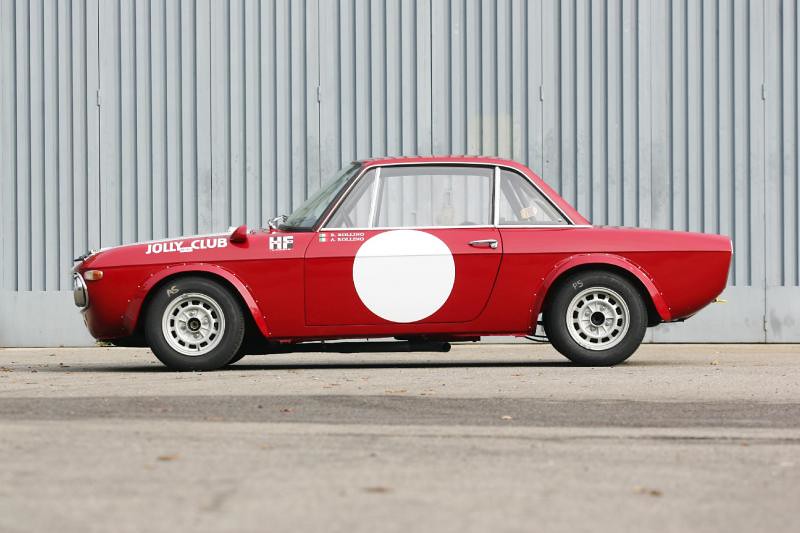

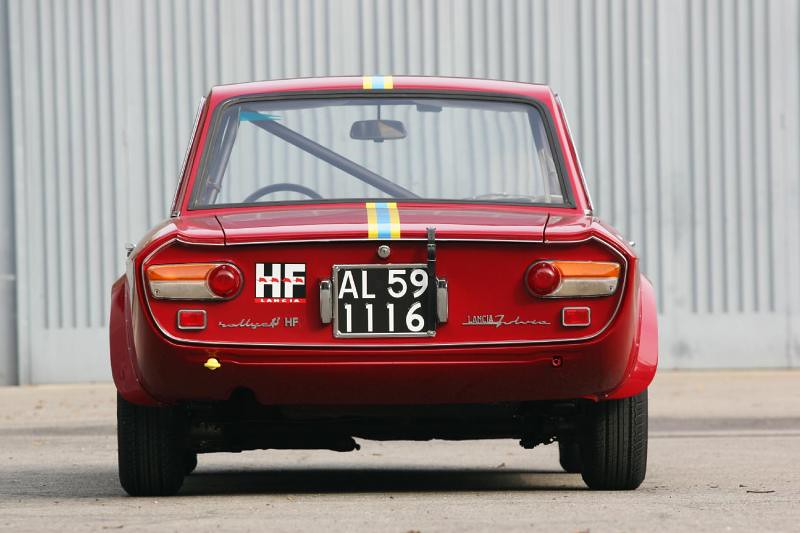
Nice little TG bit on Lancias (jump to the 0:50 mark to go straight to the Fulvia):
C/D also has a great blog post on the 1.3 Rallye, which the writer of the post owns.
Weighing in at about 2050 pounds, the Fulvia has enough power to easily keep up with modern traffic but it’s not exactly quick. In Road & Track’s September 1967 test (which you can read here), the Fulvia 1.3 Rallye managed a 0–60 time of 12.6 seconds and a quarter-mile time of 18.6 seconds. Clearly the Fulvia isn’t about straight-line speed; it is more about light and lithe handling. Steering feel is accurate and precise at speed, although the slow 4.2 turns lock-to-lock result in more sawing at the wheel than is required in a modern car.
Fulvia coupes should wear 145R-14 Michelin X tires, but finding any tires in that size in the U.S. is a challenge. I’ve settled for 155R-14 tires which make the gearing slightly taller, resulting in more relaxed cruising at 80 mph. Despite having tires that look like temporary spares, the Fulvia has a remarkable amount of grip and is shockingly well balanced considering the 61/39 front/rear weight distribution. The chassis consists of a control-arm front suspension sprung by a transverse leaf spring and a beam axle in the rear held in place by two longitudinal leaf springs.
Technically advanced in its day, the Fulvia still offers a pure and undiluted driving experience missing in modern cars. And, it is one old car that doesn’t ask its owner to baby it. Recklessly throw a Fulvia into a few corners and it will come as no surprise that the Fulvia became a wildly successful rally car in the late 1960s and early 1970s. And how’s this for a bloodline: on the rally circuit, the Fulvia was replaced by the legendary Lancia Stratos.
Read the rest of the writeup here.
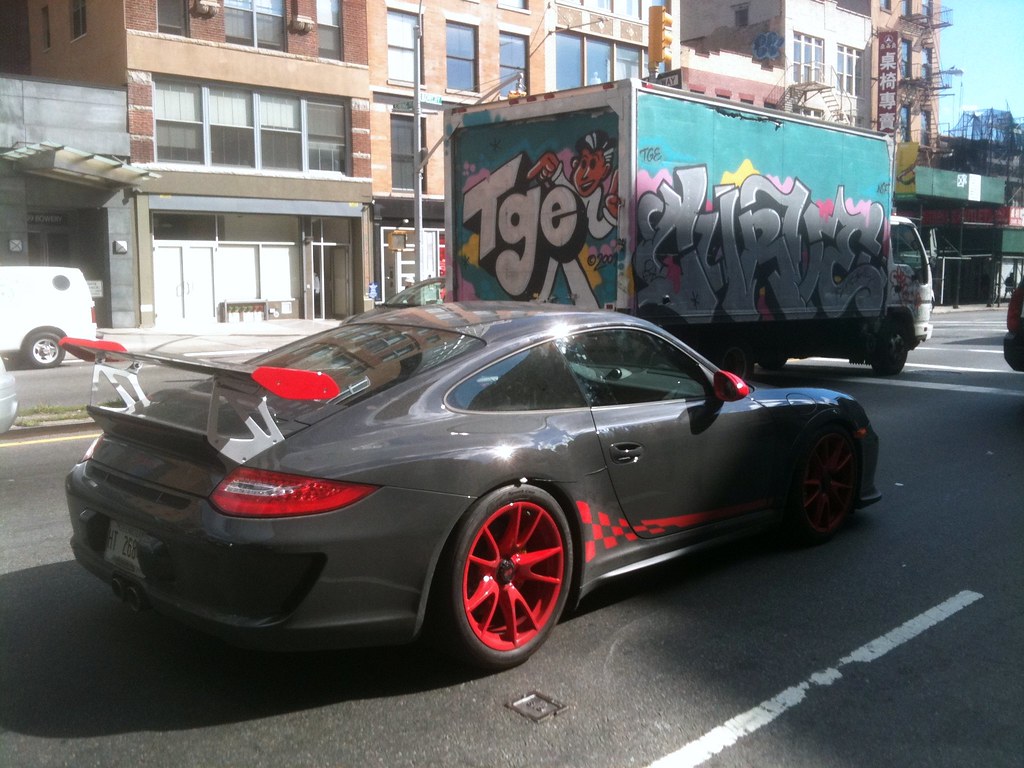
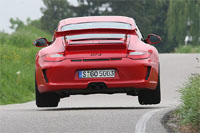
The GT3 RS that’s being filmed by the Top Gear crew near the Lower East Side, NYC. Should be a fun episode when it eventually airs.
(Image: Jalopnik)

Front-drivers get a bum rap and are a favorite punching bag among car enthusiasts (frequently jeered as ‘wrong wheel drive’ and so on), perhaps unjustly. Sure, they might not have quite the same dynamism and instrinsic ‘fun-to-drive’ quality as RWD cars, but that doesn’t mean they can’t be appealing. Here, in no particular order, are five FWD four-door saloons we have always found to be desirable, and would be delighted to have.
We’re going to resist temptation and try not to cheat (too much!)* by keeping Audis off this admittedly very short list, despite their inherent FWD architecture.
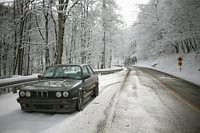
Random but very, very hot— in this case, quite possibly the hottest early Saab and four-door 510 we have ever seen, respectively. Everything about the Saab is inspired. From the black Minilite-style mag wheels, to the Dunlop Direzzas, to the rally-style mud flaps, we love it all. As for the Dime, we’d make a couple of changes to tidy up the overall appearance, but what we see is still very, very good.
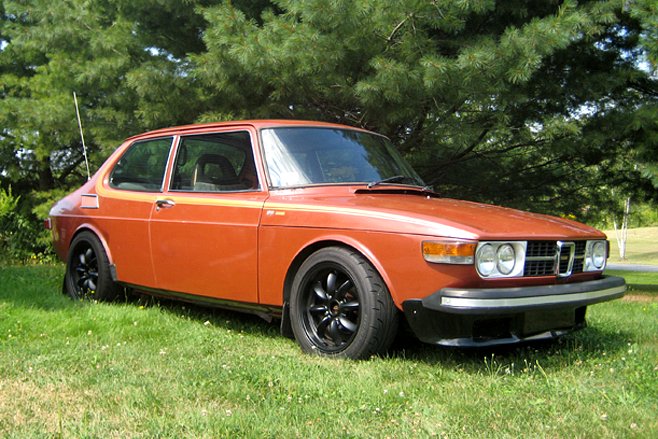
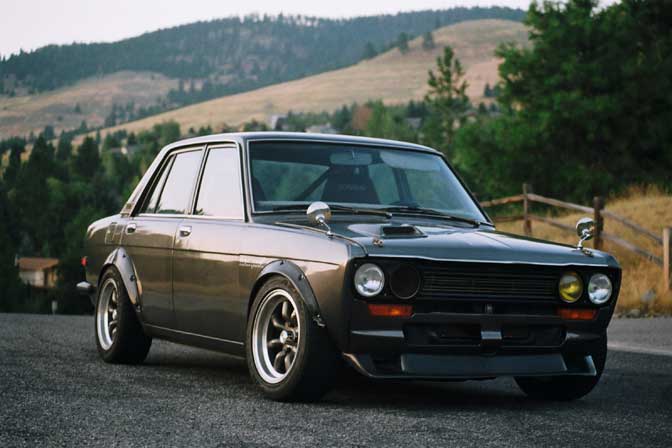
Via Speedhunters’ Readers Rides series, which we enjoyed very much (and from which we’ve drawn inspiration before, as it turns out).
The master creative partnership of James Lipman and John Glynn is at it again, this time with Steve McQueen’s Porsche 911 Turbo as its subject. As per usual, the photos – and this particular car (that color! those wheels!) – are enough to make one’s mouth water. The words flesh out the rest of the experience.

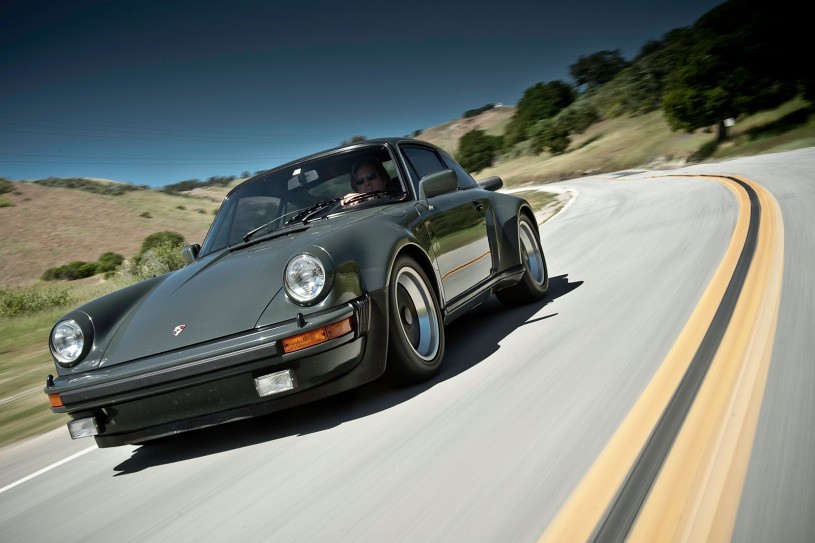
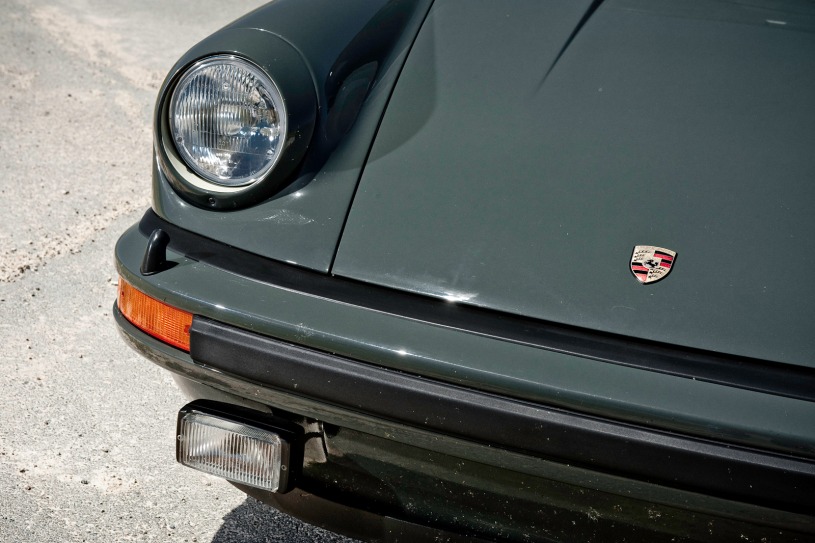

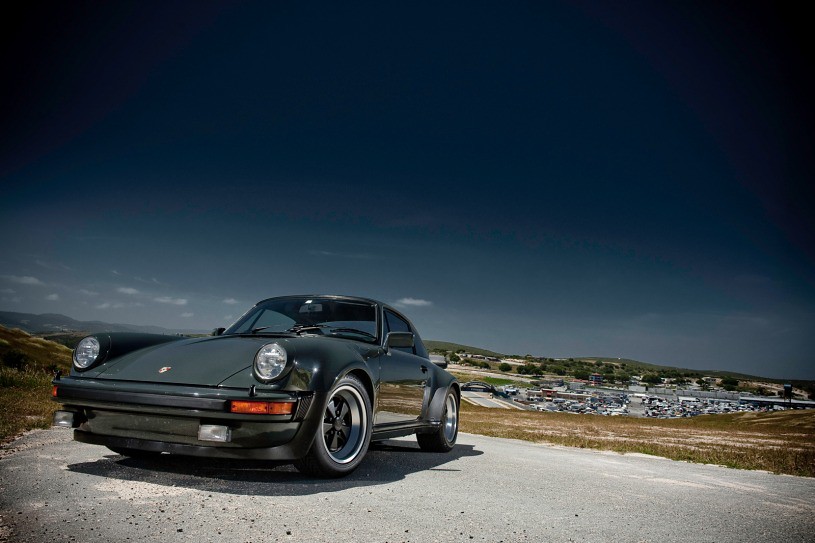
Glynn, setting the scene:
As we leave the track, we narrowly escape a speeding ticket from a ranger patrolling the state park that surrounds the motorsports facility. “Steve would have loved that,” notes Regalia. “A speeding ticket at Laguna Seca!”
Once you put your foot down, this turbocharged 3.0-liter flat-6 spools up delightfully, though it’s not as almighty as we’re expecting. The 1976 Porsche Turbo didn’t feature a boost gauge and probably the single turbocharger’s 11.5-psi output wouldn’t impress us anyway, since we’re only talking about 234 hp here. The 930 was really only a monster because it made 77 hp more than a standard 911 of the time.
As we rumble back to the parking lot at the end of our drive, Chad McQueen — Steve’s son — is on hand to say hello. “When I was 15, I got caught borrowing this car for a ride around the neighborhood,” recalls Chad. “I got my ass kicked for that one, but it was worth it!”
More words and images over at Inside Line
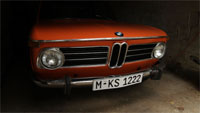
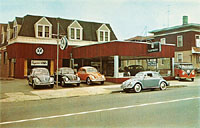
We’ve run a Mercedes-Benz showroom and a Porsche factory (?) on here; it only seems right to include Bayerische Motoren Werke, too.

Next, perhaps someone can pitch in with something so that Ingolstadt is properly represented on these pages.
If soulfulness could kill, we’d all have been dead a long time ago.
































 Motoring Con Brio