Getting right to it.


We hate to be the ones giving away local secrets (as we’ve said before), but as far as we’re concerned, if it’s already in the buff books and thus on newsstands (not to mention the inescapable reach of the Web), then the cat is already out of the bag. And besides, as self-appointed keepers of the spirited-driving flame, we have a public service to provide 🙂
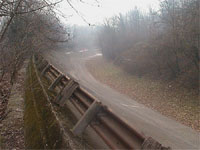
With that out of the way, Car and Driver seems to like 22-mile Upper Mud River Road in West Virginia (though we haven’t driven it personally), enough to provide this helpful infographic, even:

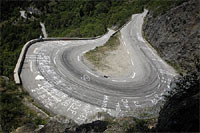
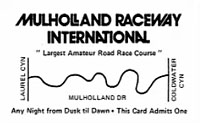
Now, we ourselves have driven plenty of nice roads in West Virginia, notwithstanding Upper Mud River Road. It’s one of those magical states (like North Carolina, Tennessee, as well as possibly others— anyone?) where amazing yet completely undiscovered roads abound at every turn, just waiting to be savored. And we’ll bet the farm that all the carnival barking in all the Inter-nets still won’t turn these sleepy rural communities and byways into the kind of sideshow attractions that, say, Mulholland Drive or the Tail of the Dragon have become. No, we like to think that these are the kind of mystical places that the odd driving enthusiast will occasionally stumble across, enjoy, and then leave without a trace— just as they had been found.
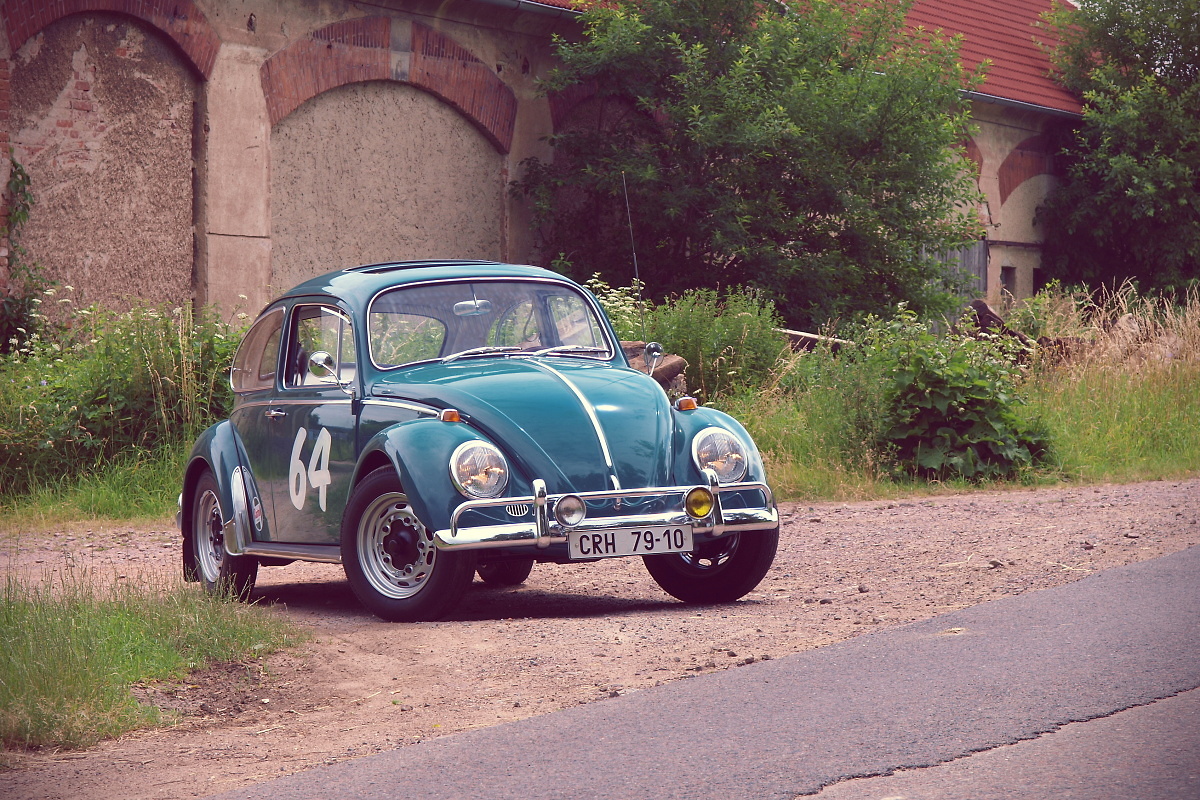
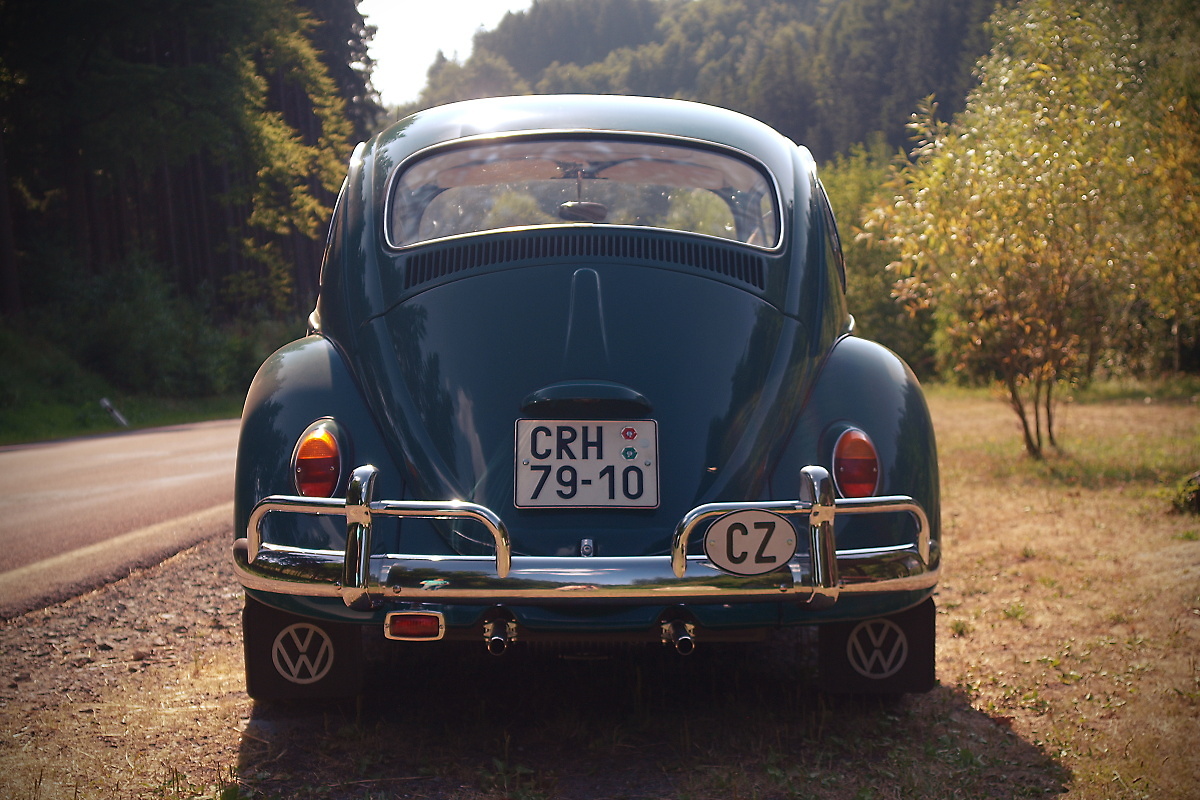
This beautiful car belongs to reader kiwi_obecny. Power comes courtesy of a 1200cc motor with a Judson Supercharger. But best of all is the color! Java Green is so perfect on this old Käfer. We love it.



Think what you will about Magnus Walker – we hear he can have a polarizing effect on people – there’s no denying that talented filmmakers gravitate toward his story like moths to a flame. Those of us who can look past Walker the personality should be grateful for the resultant videos which, when judged in their own right, are frequently terrific.
This latest one, for example.

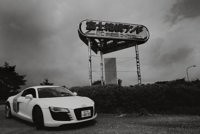
It, too, is going away— the sign overlooking the old Gowanus Citroën facility on Third Avenue in Brooklyn, that is.
Carter Willey, a Citroën mechanic with Dave Burnham Citroën near Albany, N.Y., worked as a teenager at the Gowanus Citroën facility on Third Avenue.
In 1968, the building was a “bustling” place full of French people, Willey remembered. It was both a repair garage and a parts warehouse where Citroën cars fresh from the port would be readied for American dealers.
Americans who bought Citroëns back then tended to be “reasonably affluent, highly educated, kind of arty people,” Willey said. Despite special features like front-wheel drive, in-board brakes and a hydraulic suspension system, Citroën didn’t take off with American consumers.
“It was an unusual choice,” Willey said. “These cars were expensive and odd, and service was not available on every corner. They were technically complex so they needed a special person to own them” (source).
Citroën would withdraw from the US market in 1974.
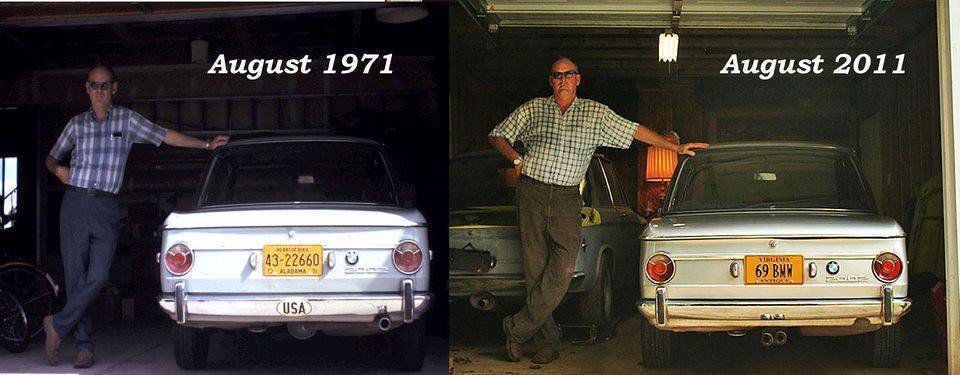
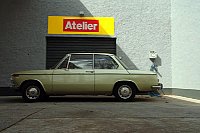
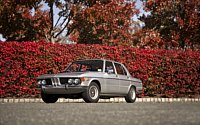
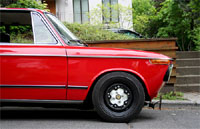
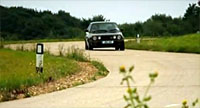
..20 years from now? 30 years from now? 40?
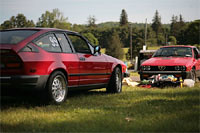
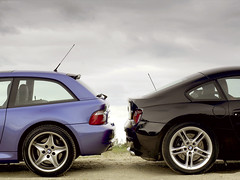
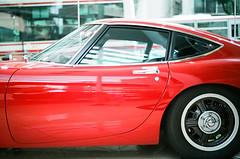
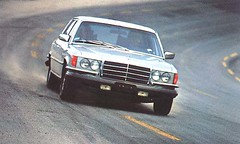
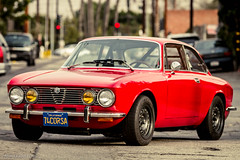
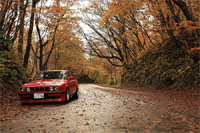
Or does the increase in spending power that one might accrue over the years (in an ideal world, anyway) mean that one moves onto pricier toys— trading in the BMW for a Porsche, let’s say, or the Porsche for a Ferrari?
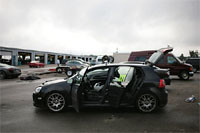
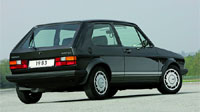
If this were us in 40 years, we think we’d be content— spare tire notwithstanding 🙂 Seriously, though— we don’t think we could ever become too ‘good’ for something, be it a 2002 or a MkI Golf GTI. If we love these now – and boy, do we ever – we can’t imagine that feeling abating once we get thick around the middle, the hair turns gray, and (optimistically) there’s more money in the bank. We’ve always maintained that our problem wasn’t that we loved unattainable cars, but rather, that the number of cars we loved was too numerous to attain.
On the other hand, we understand that that’s not for everyone, and that increased funds could mean making what was once a dream into a reality.
What about you all?
(Image credit: James Laray)

We hear this garage is going away, which is too bad. It may not be much to look at now, but it was once considered cutting edge:
With its name spelled in black letters set in yellow blocks that run down the side of the six-story brick-and-glass building, the Kant Garage hardly stands out as a landmark. Yet fans of the modernist style of architecture that marked Weimar-era Berlin flock to the building, on a busy thoroughfare in a western neighborhood, to marvel at design features like the intertwined double-helix ramps, considered revolutionary at the time of the garage’s construction in 1929.
The building’s owners want to tear it down, and they took the first step last month by applying to end its status as a landmark, granted in 1991. Their argument is that the structure is weakening and that repairs would be too costly for the income the garage generates.
So the future of a building that survived Allied bombing during World War II and the postwar push to replace older structures now hangs in the balance of today’s market realities. Germany has 1.3 million recognized memorials, historically protected buildings and sites, many of them considered crucial living testimony to a painful past. But in an age of public austerity, landmarks, too, must pay their way (source).


What other famous parking garages are you aware of? 1111 Lincoln Road in Miami comes to mind, as does Marina City in Chicago.
Image credits: architectuul.com, Wikimedia


























































































 Motoring Con Brio