No further commentary necessary, so let’s get right to it.


Stuff we’ve enjoyed recently (found via your Jalopniks, Autoblogs and so on).
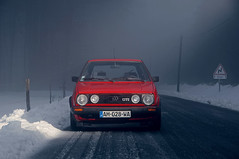
(Cliquez ici for more on ice racing)
This is sim racing?! Pretty freaking incredible:
Always loved this, but our first time seeing the vid (we’re not big consumers of music video). Double-click to view (embedding disabled):
The deadliest hazard in Afghanistan isn’t suicide bombings or the Taliban, but a 40-mile stretch of highway? We’ll pass.


Read:
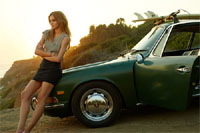
Chauvinistic? Perhaps— although downright tame (quaint, even) by modern standards. In spite of the progressive march of time, we’re still drawn to these wonderful photographs, and yes, to the women. Here’s a look back to a different time and place..


Gorgeous. Oh, and batsh*t crazy.


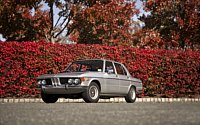
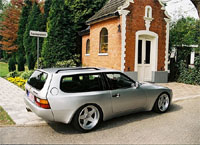
Someone described it as looking a bit like a hearse for short, wide people— which we think isn’t inaccurate.


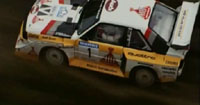
The S4 featured a midship-mounted engine and all wheel drive for superior traction and handling. The car’s 1759 cc four cylinder engine combined supercharging and turbocharging to reduce turbo lag at low RPM. Officially the car produced 550 horsepower (410 kW). Independent figures show the S4 could accelerate from 0 to 100 km/h (62 mph) on gravel in just 2.3 seconds.
The method of turbocharging and supercharging an engine is referred to as twin charging. This technology is very rarely used because most racing restricts to one means of forced induction, and rarely on road cars as its benefits lie mostly in the realm of boost curve fine tuning (quicker boost response) and allowing for said with the use of a freer flowing turbine/housing spec on the turbo to make it more efficient (or less inefficient, compared to the tighter housing needed to minimise lag) at higher rpm. Such twin charging does still see use in some hillclimb racing, where throttle and boost response are paramount over peak power concerns. The S4 itself, when everything worked perfectly, managed to hit 2.2 bars (32 psi) boost (source).
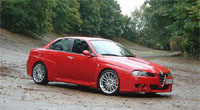
Images: Michael Ward/autoitalia.co.uk
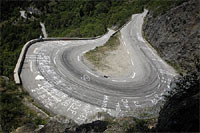
This image is pretty mesmerizing- the fun things that our Nordic friends get to do. Sponsored by the Norwegian Volkswagen-Audi club (VW-Audi Club Norwegen).
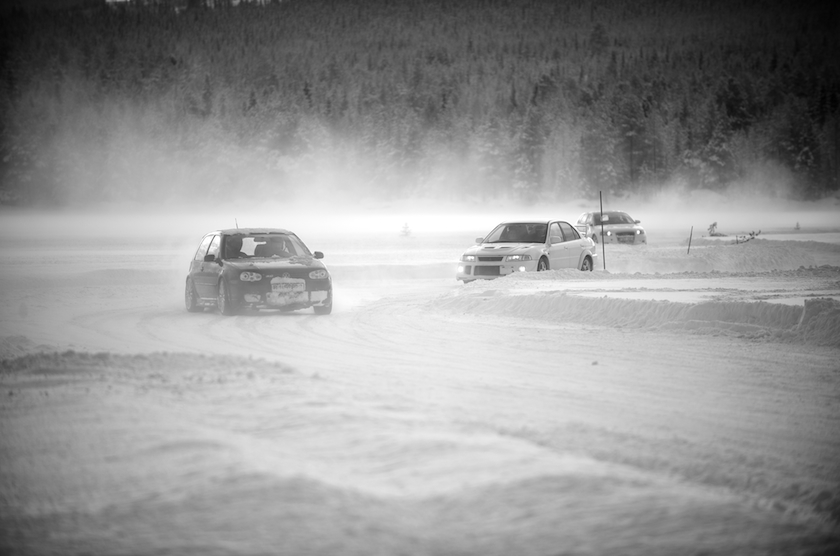
Image: Sindre Fiskerstrand
Because the previous careers of Tiff and co. (Plato, Butler-Henderson, et al.) involved doing stuff like this:
Or instructing at Paul Ricard (Plato), Silverstone (Vicki), etc.
Is Fifth Gear occasionally unwatchable? Yeah. Is Top Gear more entertaining? Sure. But do the opinions of these three Fifth Gear presenters carry just a bit more heft, because on some level we know it’s not solely an auto journo’s bloviating?
Yes.
Now in black, to go along with silver and white. That’s a tough one (all look fantastic), but we are narrowly going to go with black > silver > white.
We realize we’re not going to win many purist points for this, but we can dig the latest Boxster Spyder (even if it isn’t necessarily the P-car we’d buy).
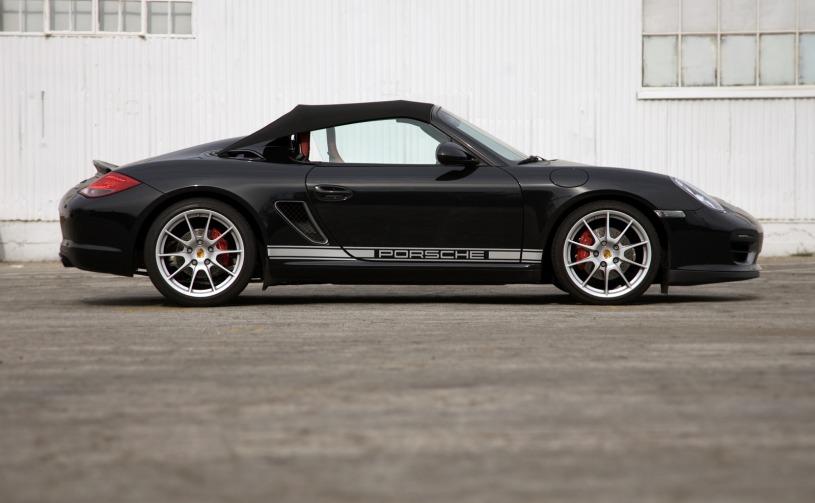
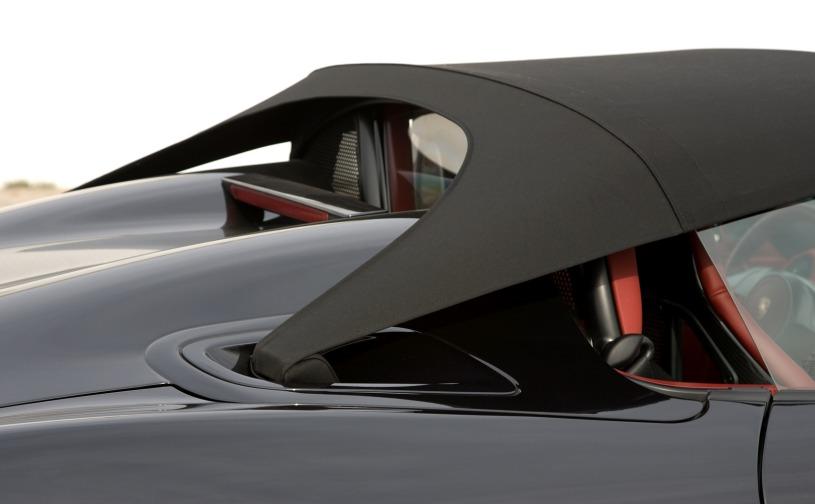
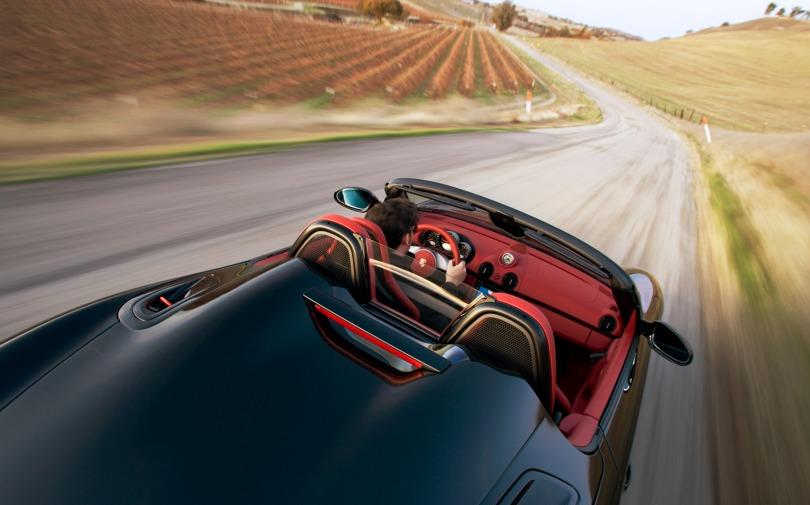
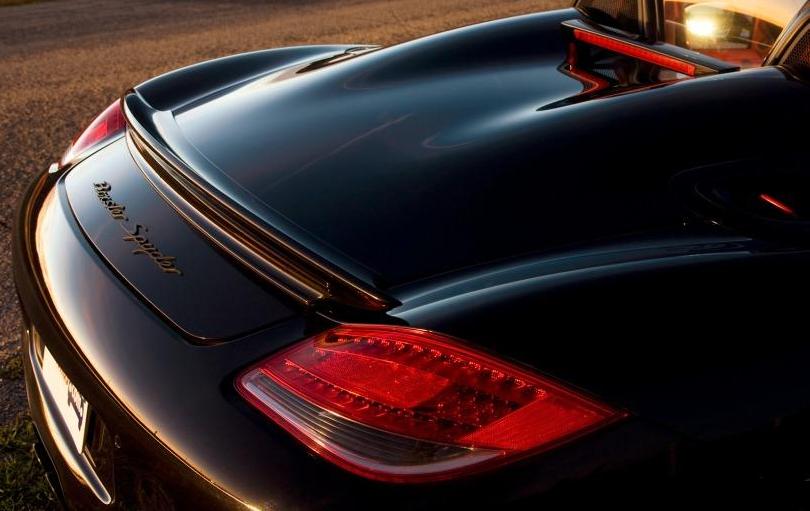
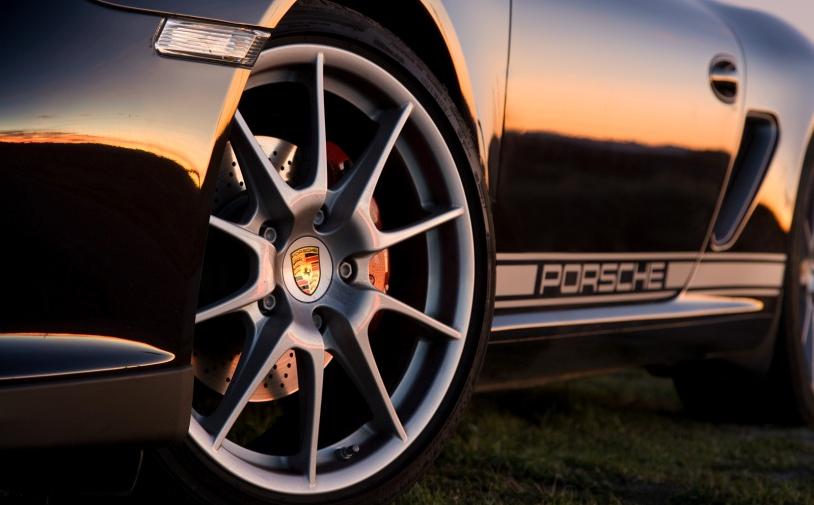

Images: Edmunds (insideline.com)
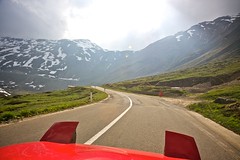
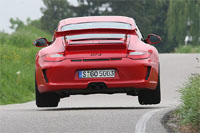
Großglockner-Hochalpenstraße, Porsche 911 GT3. We can skip the Kunsthistorisches and the leisurely boat ride on the Danube.
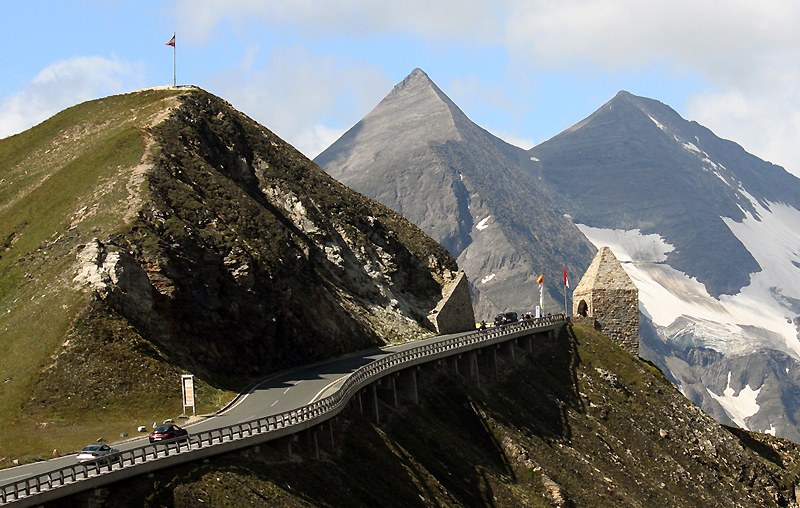


Images: Wesley Steenbergen
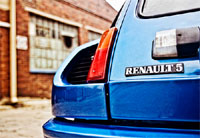
Looks like a real hoot- and by all indications, an incredible car. A mid-engine, RWD hatchback? Wow.
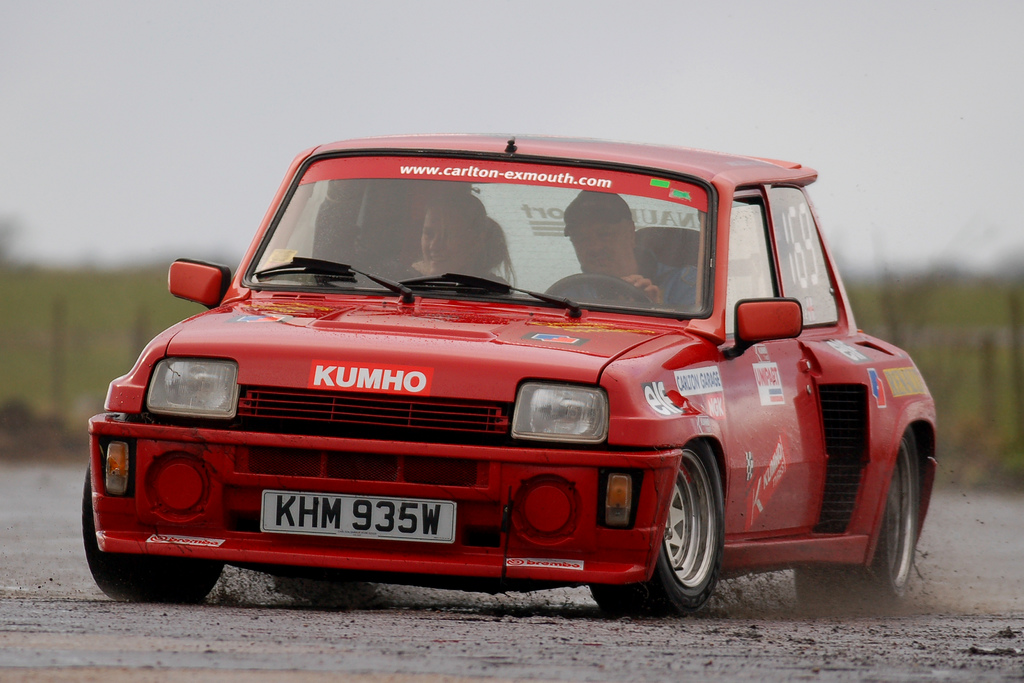
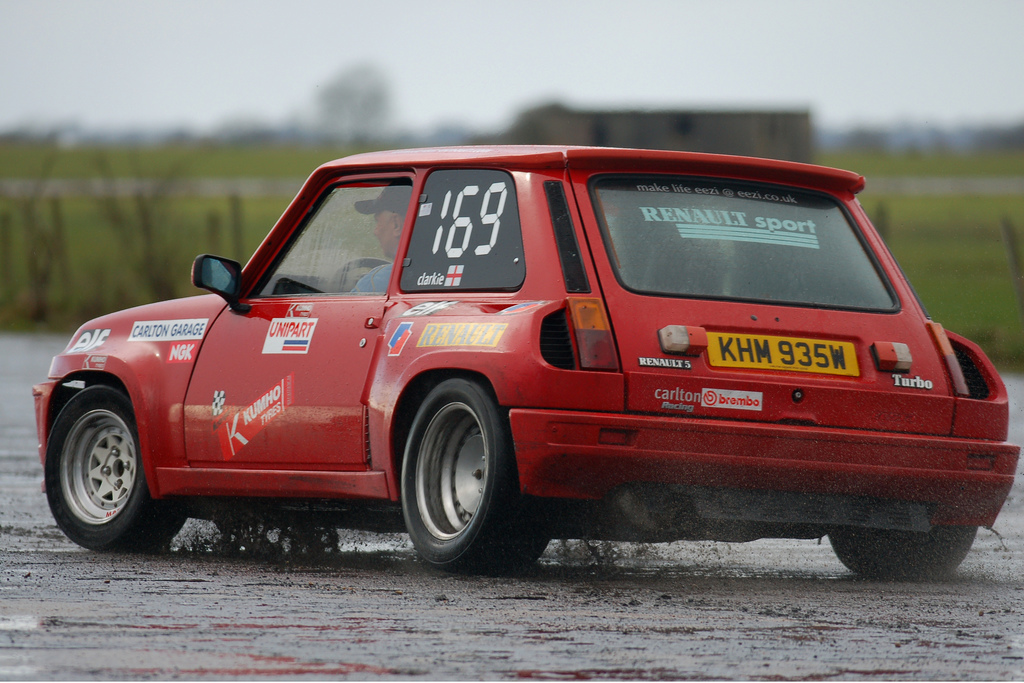
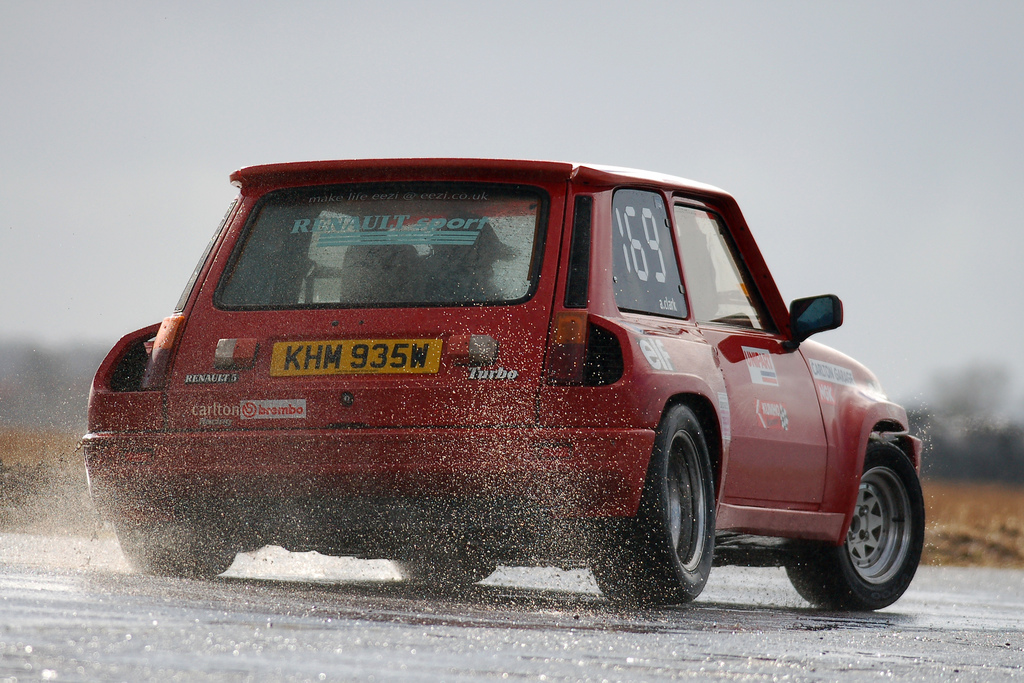
The 5 Turbo featured a mid-mounted 1397cc Cléon turbocharged engine placed behind the driver in mid-body in a modified Renault 5 chassis. Driven by Jean Ragnotti the R5 Turbo won the Monte Carlo Rally on its first outing in the World Rally Championship. The 2WD R5 turbo soon faced the competition of new Group B four-wheel drive cars that proved faster on dirt. However, it remained among the fastest of its era on tarmac where it was highly successful. In 2004, Sports Car International named the R5 Turbo number nine on the list of Top Sports Cars of the 1980s (source).
For the record, here’s the rest of that Top Sports Cars of the 1980s list. Not shabby company at all.
Images: chrisharrison.smugmug.com

































 Motoring Con Brio